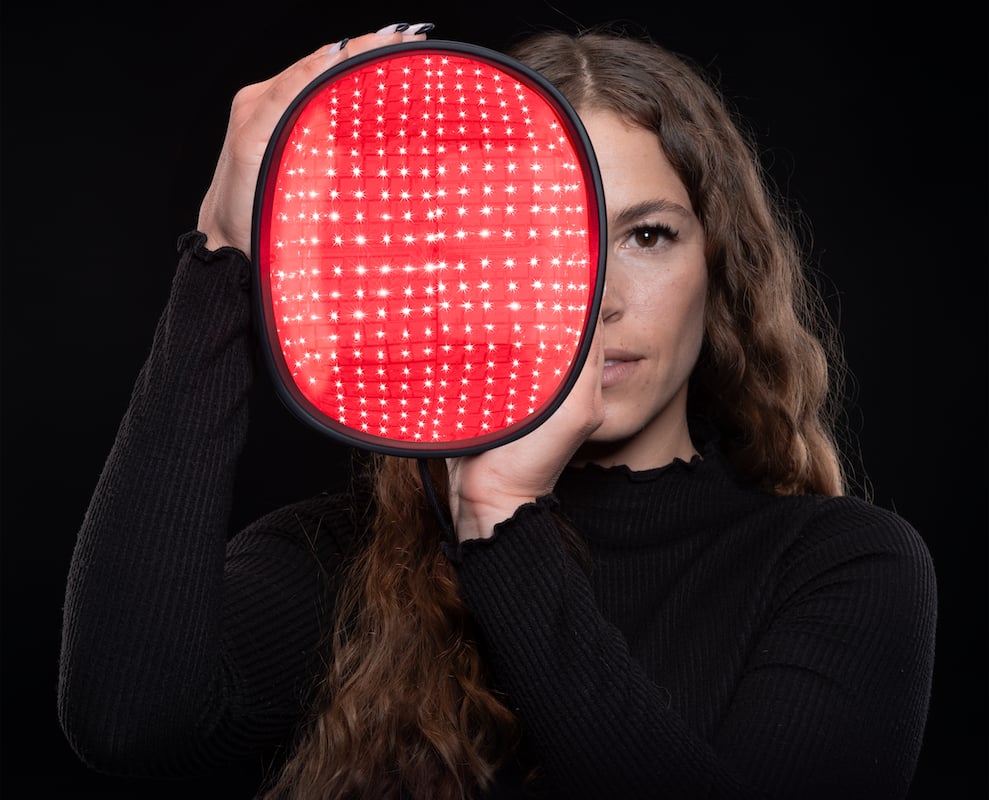
Women face a special type of hair loss, so it’s no wonder a unique solution is needed. Unlike male pattern baldness, female hair loss occurs in a more diffuse manner that is sometimes harder to detect.
With an estimated 20-30 million women affected by hair loss in the United States alone, physicians are increasingly developing technologies and treatment protocols exclusively designed to help women overcome the personal, social, and professional setbacks caused by this traumatic condition. The most common cause of
hair loss in women is androgenetic alopecia, which is a hereditary condition. Unlike androgenetic alopecia in men, female pattern baldness rarely results in complete hair loss.
Patterns of androgenetic alopecia hair loss in women can vary widely but usually include a diffuse thinning over the entire scalp with variations of areas of more noticeable thinning towards the back, front, and frontal hairline. Traditionally, women have had few viable options to reverse the signs of hair loss.
The most popular include the following: Minoxidil (Rogaine ® ) is a topical solution that has been prescribed for application twice a day. This is not a very favorable option for many because it only aims to treat the part, and is a messy application process, akin to dying hair at the roots.
Finasteride (generic name for Propecia ® ) , which is a treatment option for men, is not approved for use by women as it has been shown to cause birth defects in children. Hair transplant surgery is a more expensive but often permanent treatment for female hair loss…