What are the effects of an anchor store in a shopping center?
The effect of opening an Anchor Store
The effect of closing an Anchor store
Summary of anchor stores on shopping centers:
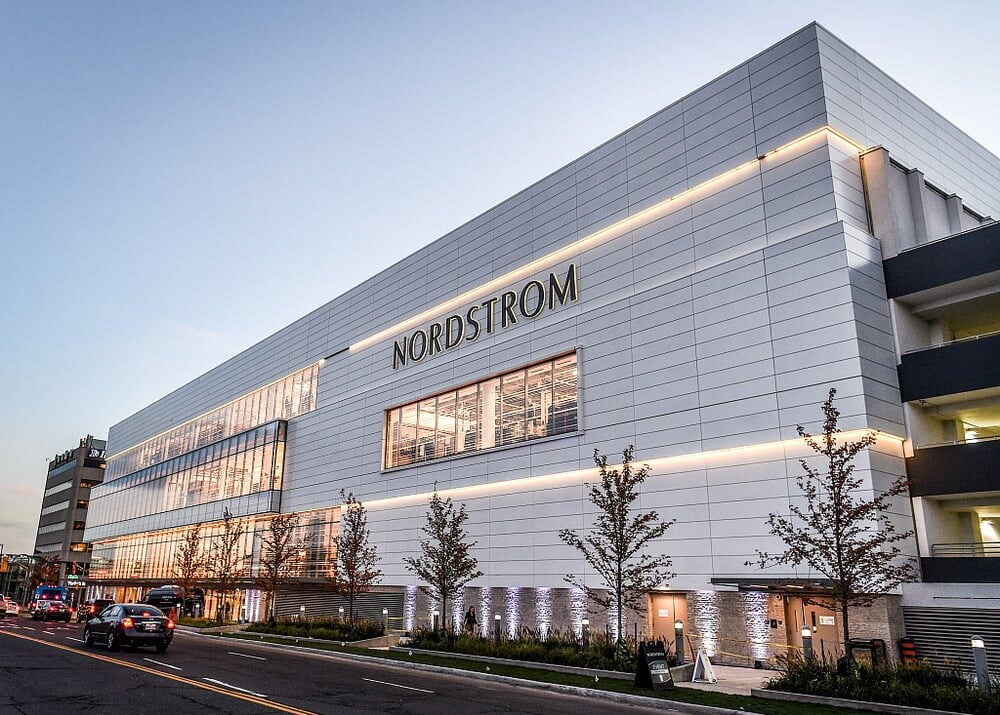
The main purpose of an anchor store in a shopping mall is to attract customers and drive foot traffic to the mall, benefiting smaller retailers within the complex. An anchor store is typically a large, well-known retail store that serves as the primary draw for shoppers.
These stores are often strategically located within the mall, such as at either end of the property. They are often department stores like Macy's or Nordstrom, or big-box retailers such as Walmart or Target. Their strong brand recognition, wide
range of desirable merchandise, and significant advertising budgets help entice consumers to visit the shopping center. The presence of anchor stores is crucial for the success of a mall and its smaller retailers.
When an anchor store attracts a high volume of shoppers, those customers are more likely to explore and make purchases at the surrounding smaller stores as well. Essentially, the anchor store acts as a magnet, pulling in consumers and increasing foot traffic and sales throughout the mall.
Smaller retailers often pay a premium for mall space near anchor stores to capitalize on this phenomenon.
Some even negotiate specific lease clauses to protect their interests if an anchor store closes or mall traffic declines below a certain level, underscoring the vital role these major retailers play in a shopping center's overall health and viability…
Members-only article
Unlock the rest of this story
Join free to keep reading RetailBoss business coverage, industry analysis, and market intelligence.
Full article access
Industry analysis
Free account
Free access. No credit card required. Your account is created after you verify your email.