Hermès, the French luxury house, faces escalating legal challenges as American shoppers broaden their class action lawsuit accusing the company of antitrust violations.
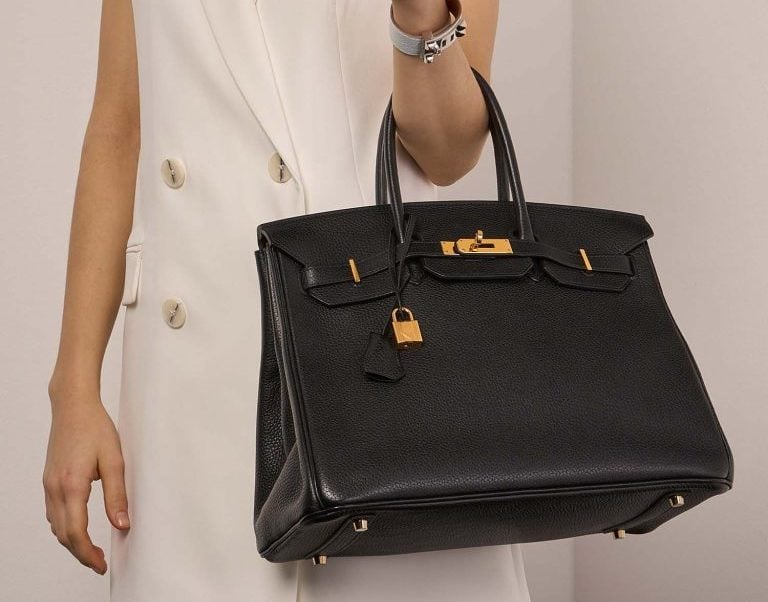
The iconic brand, famed for its Birkin bags, is under fire for allegedly coercing customers into purchasing additional Hermès products before obtaining the coveted handbags.
laws by enforcing a "sufficient purchase history" prerequisite. This means buyers need to have substantial past purchases of ancillary Hermès products such as shoes, scarves, and jewelry to access a Birkin bag, a practice the plaintiffs denounce as tying—a potentially anti-competitive tactic.
The controversy centers on the exclusivity and scarcity tactics used by Hermès, which have caused significant uproar among luxury shoppers. Reports indicate that barriers extend beyond price, making Birkin bags accessible only to those willing to spend exorbitantly on other items.
Critics argue that such a practice unfairly disadvantages certain consumers and curtails equitable access to these high-end products. Others say if someone wants to buy a Hermès Birkin bag, they can purchase one from a pre-loved or reseller site such as SACLÀB , The RealReal, Rebag , or Fashionphile.
Hermès’ alleged practices have incited a backlash among shoppers and drawn skepticism from legal experts. In response to growing public interest, we contacted legal professionals for their insights on this high-profile litigation's potential outcomes and implications. 1. What's your take on the Hermès class action…





Discussion
0 Comments
No comments yet.
Sign in to join the discussion.