Fashion enthusiasts often grapple with the terms "couture" and "ready-to-wear," as both represent high clothing design and manufacturing standards. Nevertheless, these two categories have distinct differences in conception, production, and consumer base.
Let's delve into these differences and understand what makes each type unique. Couture vs Ready-to-Wear: Comparative Analysis Feature Couture Ready-to-Wear Clientele Exclusively tailored for specific clients Made for a broader, general audience Manufacturing
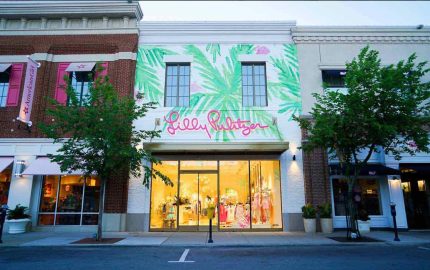
Process Handcrafted, highly detailed Mass-produced but using quality control Fitting Custom-fitted to the client's measurements Standardized sizing for general clients Availability Extremely limited, by appointment only Widely available in boutiques and stores Price Extremely high, reflecting labor and exclusivity High but more accessible than couture Designs Unique, often avant-garde Trend-driven, practical for everyday wear Production Time Extensive hours, primarily manual work Faster production cycles with some automation Consumer Experience Personalized fittings and consultations General retail experience What Defines Couture and Ready-to-Wear?
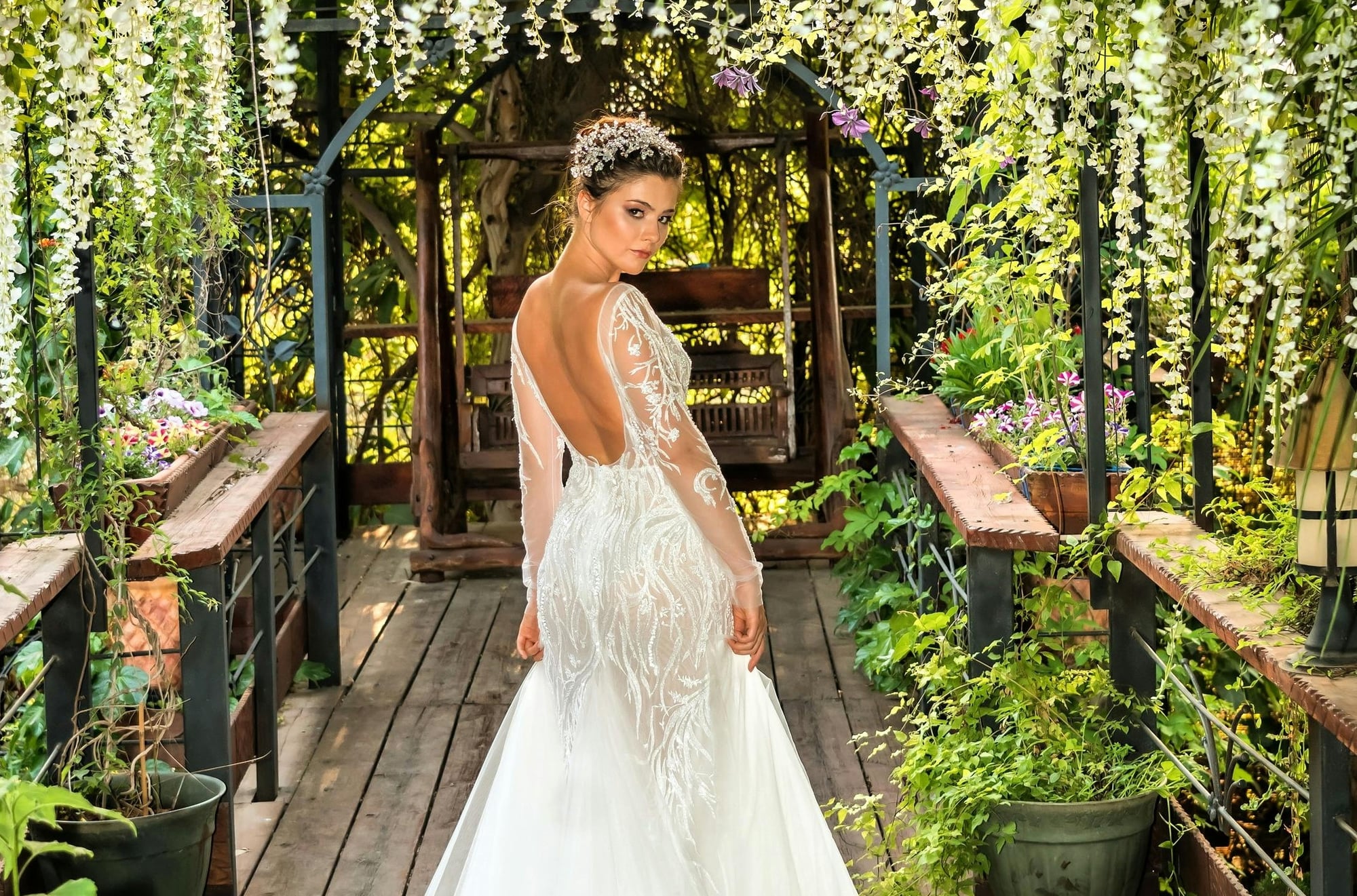
Couture : Tailored Perfection : Couture, or haute couture, refers to custom-fitted clothing made by high-end fashion houses. Each piece is crafted for a specific client, tailored meticulously to their measurements and preferences.
Artistry and Craftsmanship : Couture production involves exceptional handcrafting skills, with artisans spending hundreds of hours on intricate details, embroidery, and final touches. The designs are often exclusive and one-of-a-kind. Exclusivity and Prestige : Couture items are extremely exclusive, often…