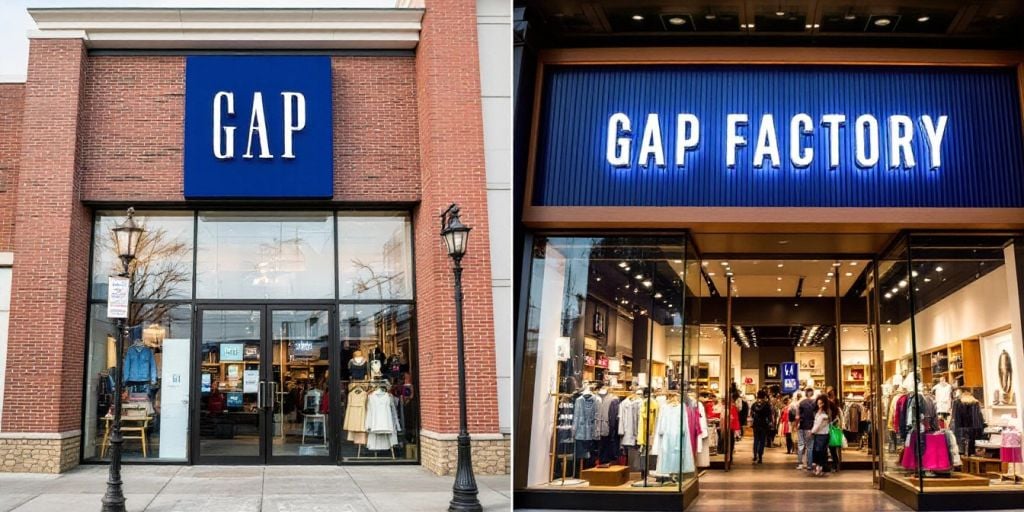
Gap and Gap Factory are two well-known brands under the Gap umbrella. While they share a common heritage, they cater to different audiences and offer distinct styles and pricing. Gap stands as Gap Inc.'s flagship brand, known globally for its classic, casual apparel that appeals to a broad audience.
Founded in 1969 by Donald and Doris Fisher, Gap has become a hallmark of American fashion, offering high-quality jeans, T-shirts, sweaters, dresses, and accessories. With its headquarters in San Francisco, Gap
currently operates 3,352 stores worldwide as of the fourth quarter of 2022, maintaining a robust international presence. The brand’s core demographic ranges from young adults to middle-aged individuals, particularly targeting those aged 25 to 35, with a prime focus on 28-year-olds.
On the other hand, Gap Factory —available both online and at various outlet locations—caters to value-conscious shoppers who still seek fashionable, high-quality clothing but at more affordable prices.
Unlike typical outlet stores, Gap Factory does not sell overstock or last season’s trends; rather, it features exclusive, in-house-designed casual-chic styles. It's focus is on maintaining affordability and leveraging its robust online infrastructure to attract budget-conscious fashion enthusiasts.
Let's explore the key differences between these two brands, helping shoppers understand which one better suits their needs. RB Insights Gap is a premium brand known for its classic styles and higher quality. Gap Factory offers exclusive, budget-friendly styles aimed at value-conscious shoppers…




Discussion
0 Comments
No comments yet.
Sign in to join the discussion.