Europe’s luxury fashion industry is facing a historic reckoning as antitrust regulators unleash enforcement targeting resale price maintenance (RPM) , which will fundamentally reshape how iconic brands operate and market themselves.
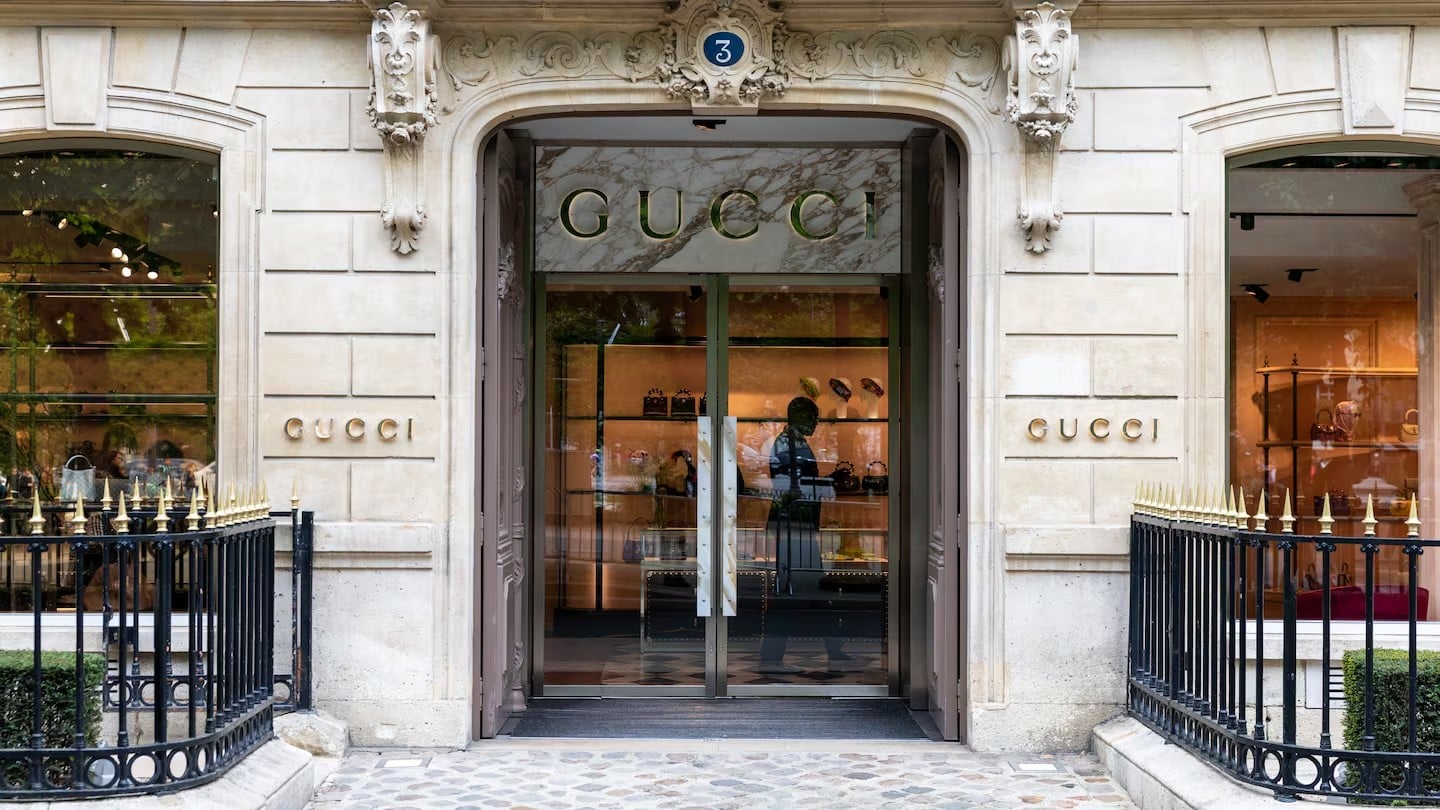
In October 2025 , landmark fines totaling more than $182 million (€157 million) were levied against Gucci , Chloé , and Loewe , sending an unequivocal message: price-fixing and opaque marketing practices will no longer be tolerated—regardless of prestige or heritage. Luxury Fashion
Meets Enforcement The European Commission’s cases against Gucci ( Case AT.40840), Chloé (Case AT.40880), and Loewe (Case AT.40881) highlight the issue of RPM, where suppliers dictate minimum resale prices to retailers, directly stifling price competition and ultimately affecting consumers.
Under Article 101 of the Treaty on the Functioning of the European Union, RPM is classified as a “hardcore” infringement, subjecting it to severe penalties.
As Goodwin’s antitrust alert notes : “Europe’s regulators are rewriting the rule book for the industry: A compelling brand story no longer outweighs the need for lawful and transparent market conduct.” The Infringements: What Happened and Why The Commission found that the three luxury houses— Italy’s Gucci (Kering), France’s Chloé (Richemont), and Spain’s Loewe (LVMH) —systematically restricted independent retailers across the apparel, leather goods, footwear, and accessories sectors.
These practices included: Enforcing recommended retail prices Capping maximum discount rates Restricting promotional sales periods Sometimes, banning discounts entirely Gucci also imposed direct online sales bans, instructing retailers to remove specific…