The retail sector in 2026 is at a critical inflection point, shaped by a confluence of post pandemic consumer shifts, persistent inflation, high interest rates, and significant debt burdens.
While 2025 saw a higher rate of corporate bankruptcies than 2024 , with 749 filings by mid of December , 2026 is poised to be a year of reckoning for several iconic retailers. This analysis provides expert predictions on which retailers are most likely to file for bankruptcy in 2026 , supported by recent financial data and
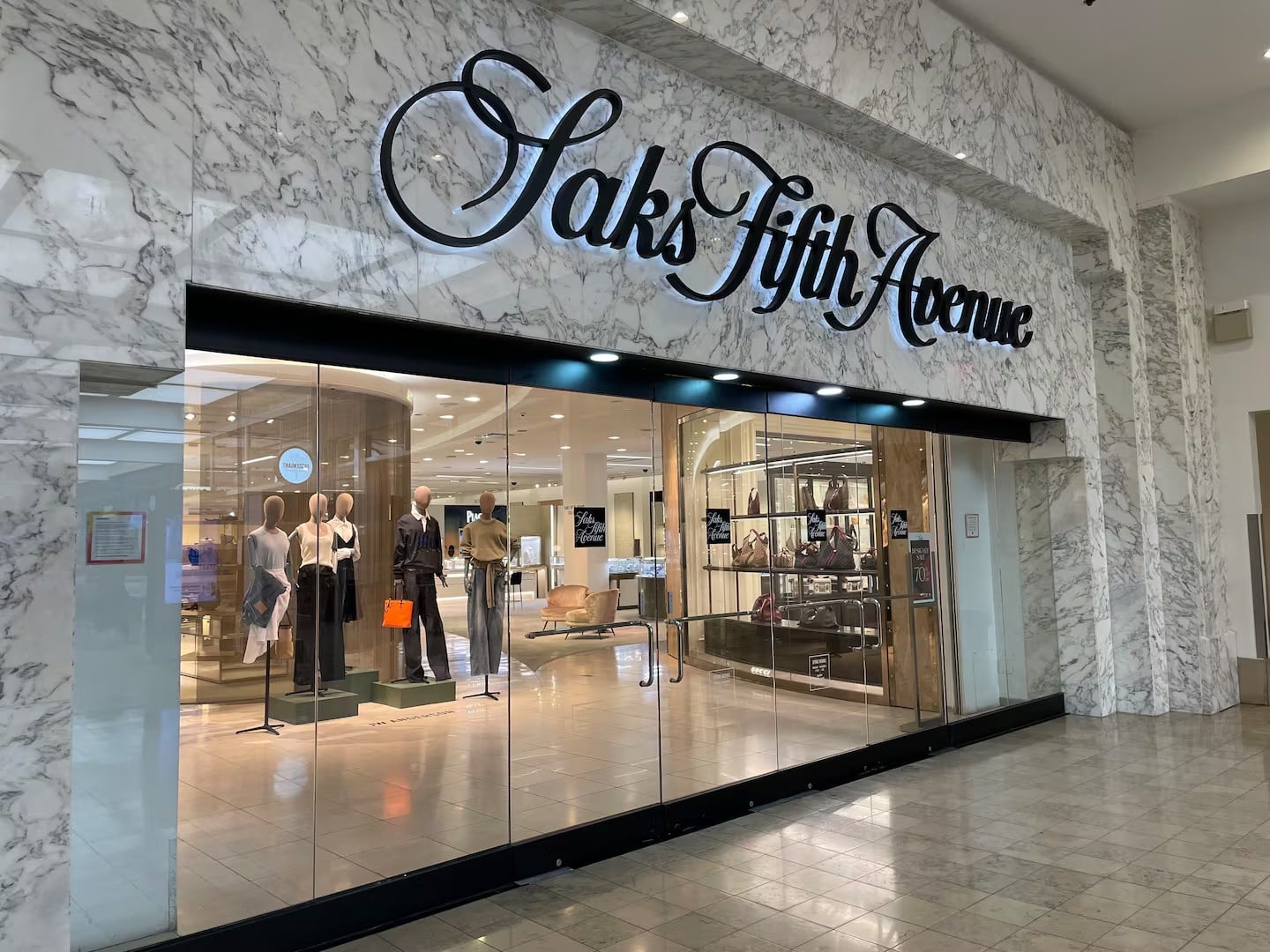
market trends. The most immediate and high profile risk is Saks Global , the recently merged entity of Saks Fifth Avenue and Neiman Marcus, which is currently in a 30 day grace period following a significant missed interest payment.
The 2026 Retail Landscape: Macro Trends Several macroeconomic and industry specific trends are creating a high risk environment for retailers in 2026 : The Luxury Slowdown: After a period of robust growth, the luxury sector is experiencing a significant "spending hangover." High end consumers are pulling back, and brands are increasingly focusing on direct to consumer (DTC) channels, reducing foot traffic to traditional department stores.
Debt and Interest Rates : Many retailers are saddled with substantial debt from pre pandemic expansions or leveraged buyouts. The high interest rate environment makes servicing this debt increasingly difficult, as evidenced by the distress at Saks Global .
Persistent Store Closures: Major retailers like Macy's and Walgreens are continuing aggressive store closure plans, reflecting a long term shift in consumer behavior away from brick and mortar shopping. UBS predicts that between 40,000 and 50,000 retail stores will…