Fashion e-commerce has operated with the same structural limitation since its inception. The product is never actually on the customer. It exists on a model, a mannequin, or an abstracted sizing system that only loosely reflects physical reality.
As a result, the transaction has historically depended on imagination and in digital apparel retail, imagination has been one of the most persistent sources of friction. Figr is positioning itself as a direct response to that constraint. Figr introduces a new interface
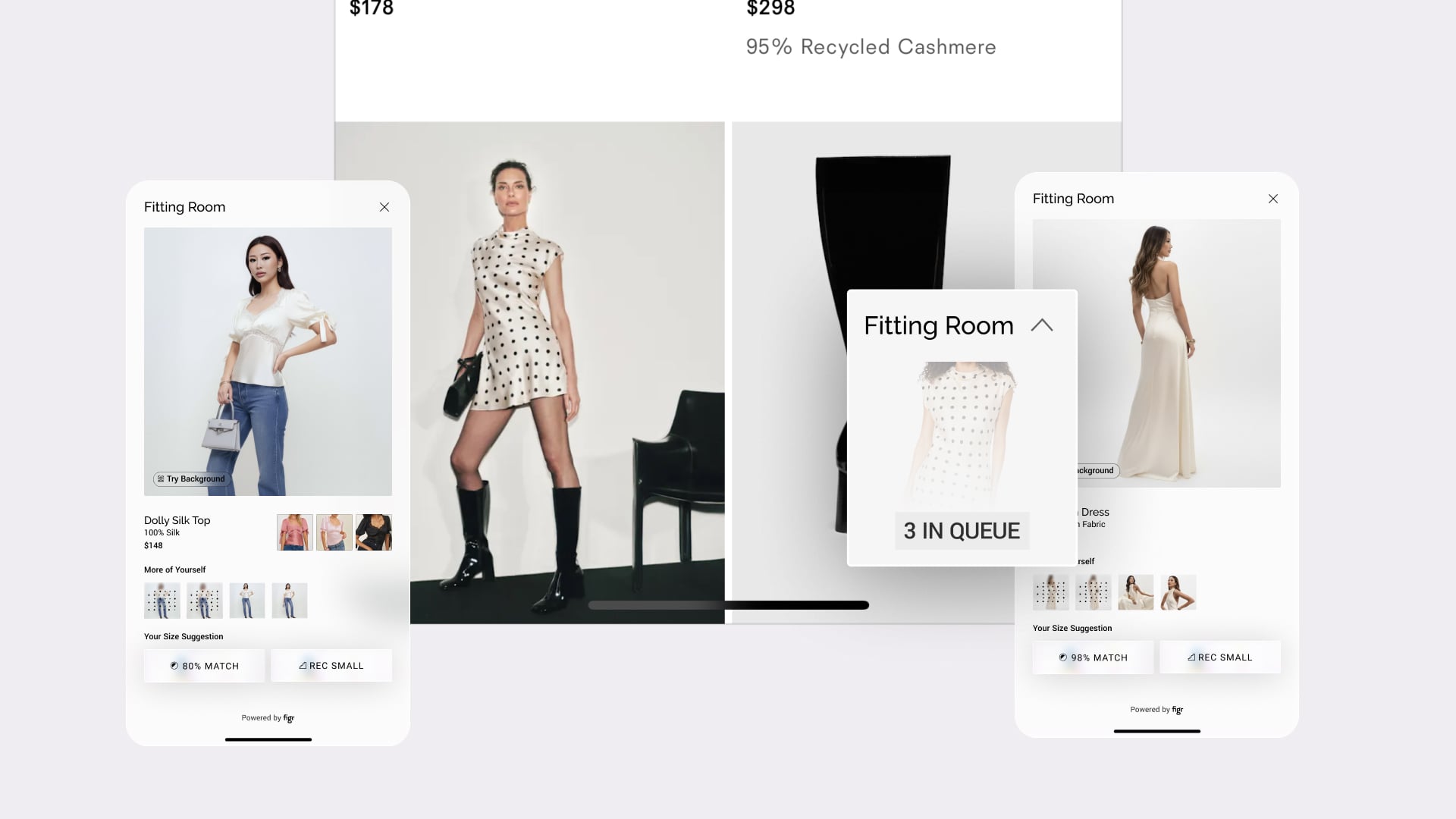
model for online fashion. Its core mechanism is precise. A shopper uploads two images and within seconds, a one-to-one digital representation is generated or as the company calls it your “Figr”, calibrated to exact body proportions, skin tone, and measurable dimensions.
A brand’s full assortment is then rendered onto that Figr, paired with deterministic sizing recommendations derived from garment construction data rather than generalized size mapping. For decades, digital fashion has required the consumer to adapt to merchandising logic designed for mass navigation.
Figr reverses that hierarchy. The interface reorganizes around the individual body. In this framework, product discovery becomes secondary to fit validation. The try-on becomes the primary entry point into the retail experience.
From Assortment Navigation to Identity-Driven Shopping Consumer behavior has already begun to move in this direction. Emerging cohorts are less oriented around traditional browsing patterns and more focused on identity construction…