Retail has come a long way since its humble beginnings. From the days of bartering and trading goods to the rise of brick-and-mortar stores and now the digital age of e-commerce, the retail industry has constantly evolved to meet consumers' changing needs and preferences.
In ancient times, retail was primarily conducted through markets and bazaars, where merchants would gather to sell their goods. As civilizations developed, permanent shops began to emerge, offering a wider range of products and services. The
Industrial Revolution in the 18th century brought about significant changes in retail, with the introduction of department stores and mass production. Key Takeaways E-commerce has revolutionized the retail industry, making it more convenient for consumers to shop from anywhere.
Artificial intelligence transforms retail by providing personalized recommendations and improving supply chain management. Augmented and virtual reality change the in-store experience, allowing customers to try products before buying. Big data is enabling retailers to personalize marketing and improve customer engagement.
Mobile technology, chatbots, and voice assistants enhance the shopping experience and improve customer service. The Rise of E-commerce The advent of the internet in the late 20th century revolutionized the retail industry again with the rise of e-commerce.
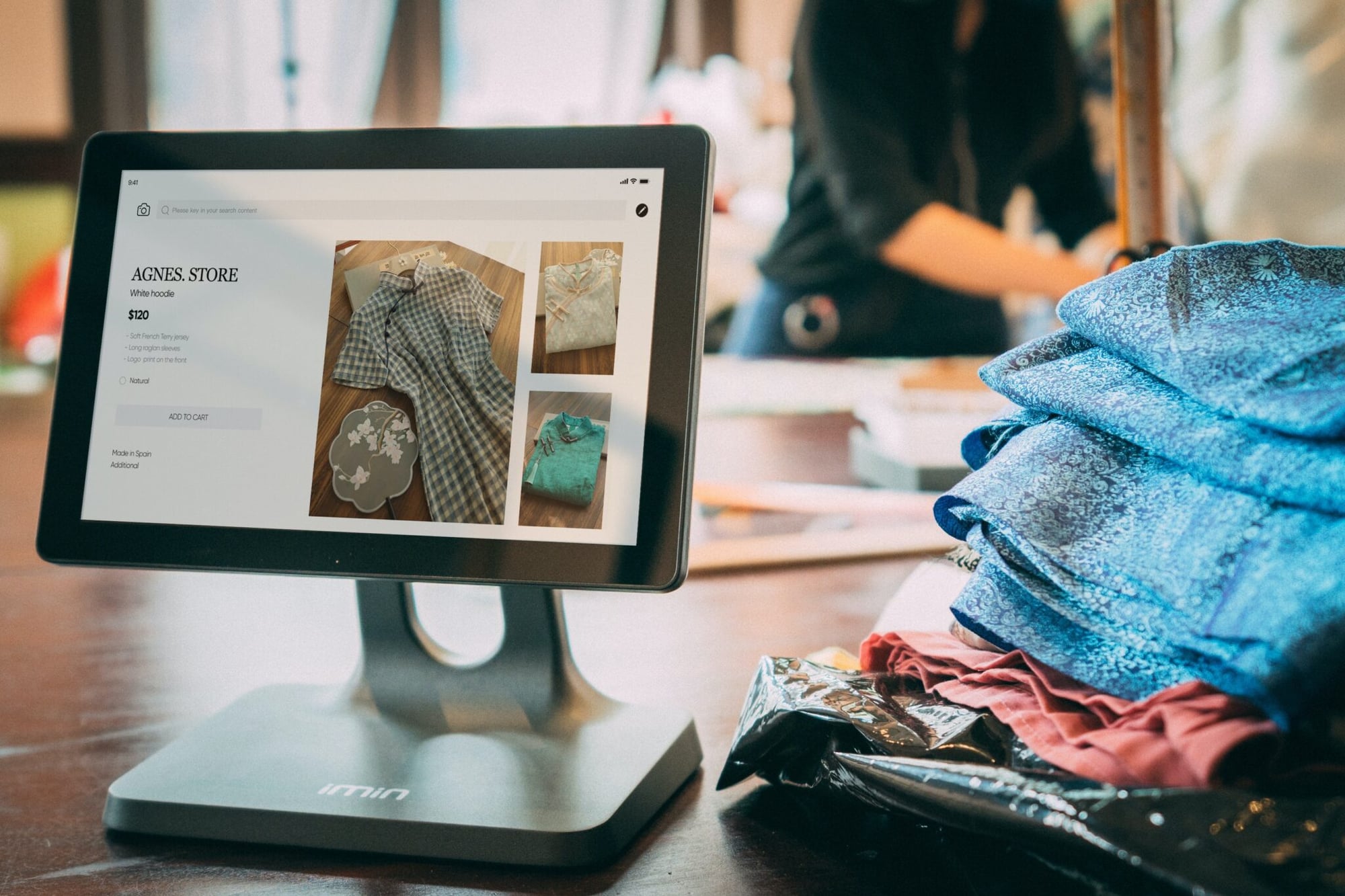
Online shopping has become increasingly popular, offering consumers convenience and a wide range of products. This shift towards e-commerce has had a profound impact on traditional brick-and-mortar stores. One of the key advantages of e-commerce is the ability to reach a global audience…





Discussion
0 Comments
No comments yet.
Sign in to join the discussion.