When debating whether Fenty is a luxury brand, measuring it against established luxury brands and their defining features is crucial. We'll evaluate Fenty based on quality, exclusivity, price point, and brand identity. What Defines a Luxury Brand?
Luxury brands stand out with high quality, meticulous attention to detail, limited availability, high prices, and a strong heritage. For instance, brands like Hermès hand-stitch each product, and Cartier hand-cuts every diamond, maintaining exclusivity and high price
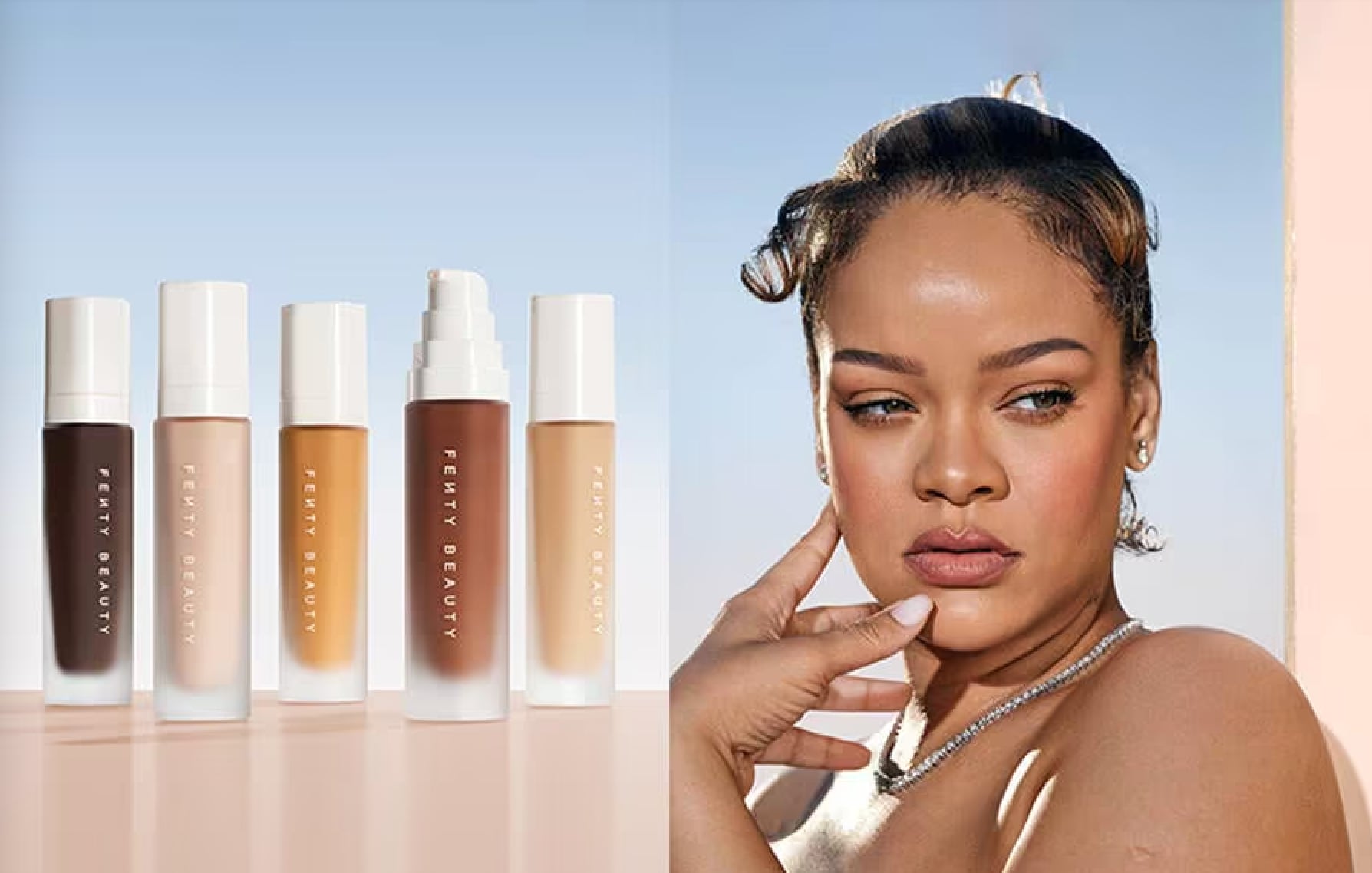
tags essential for luxury status. Where Does Fenty Fit In? Launched by Rihanna under LVMH , Fenty has achieved significant success, especially with its inclusive range of 40 foundation shades. However, a deeper analysis reveals whether it fits the luxury brand mold. Luxury Brands vs.
Fenty Attribute Luxury Brands Fenty Quality Exceptional, handmade High, mass-produced Craftsmanship Handcrafted details Industrial process Exclusivity Limited availability Broad inclusivity Price Point Very high Accessible ($35 foundation) Brand Identity Rich heritage Celebrity-driven Customer Experience Bespoke services Focus on diversity Fenty Key Attributes Analysis: High Quality: Luxury Brands: Hermès, Cartier, Louis Vuitton emphasize handcrafting and the finest materials.
Fenty: Known for high-quality products but relies on modern production lines instead of handcrafting. Exclusivity and Scarcity: Luxury Brands: Limited releases enhance exclusivity. Fenty: Focuses on broad inclusivity and wide availability. Price Point: Luxury Brands: Very high prices (e.g., Hermès bags costing thousands).
Fenty: More accessible pricing (Fenty foundation at $35 versus Estée Lauder's $42). Brand Identity…





Discussion
0 Comments
No comments yet.
Sign in to join the discussion.