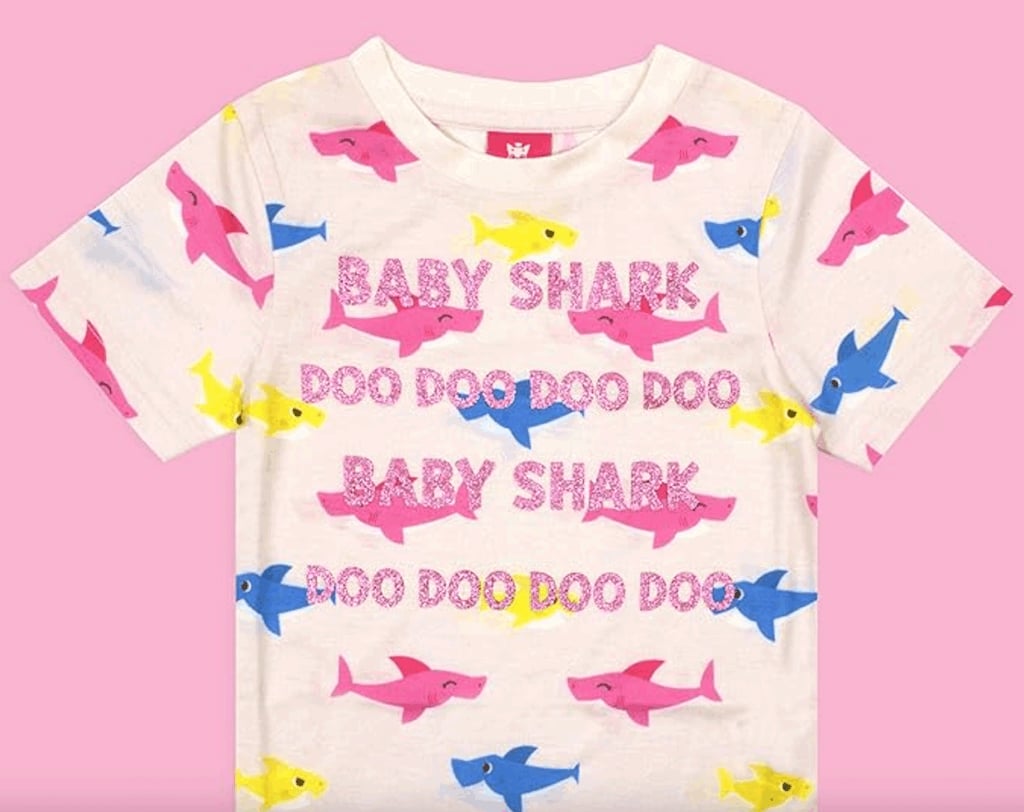
A landmark Second Circuit ruling in the “ Baby Shark ” counterfeit merchandise case has significantly increased the challenges for U.S. brands to sue China-based sellers in federal court, effectively limiting the use of email services when the Hague-Service Convention applies.
The decision means that rights holders now have to go through official, government-approved channels in China , a process that can take months, increasing costs and slowing enforcement as online counterfeiting continues to grow through
2026 . What the Baby Shark ruling actually says The case, Smart Study Co., Ltd. v. Shenzhenshixindajixieyouxiangongsi , involved Smart Study , the South Korea‑based owner of the “Baby Shark” IP, suing dozens of China‑based storefronts accused of selling counterfeit merchandise on platforms like Amazon .
After initially serving defendants by email and winning default judgments against many of them, Smart Study saw its claims against two China‑based sellers dismissed when they appeared and challenged service as invalid under the Hague-Service Convention .
On appeal, the Second Circuit Court of Appeals held that the Convention creates an exclusive framework for cross‑border service and that it does not permit email service on defendants in China , because China has formally objected to “postal channels” and other alternative methods under Article 10 .
The court rejected arguments that Federal Rule of Civil Procedure 4(f) or any “emergency” exception allows email in these circumstances, confirming that brands must instead route service through China’s Ministry of Justice or other treaty‑compliant mechanisms. Why does this blow up Schedule A cases? For years, rights holders,…