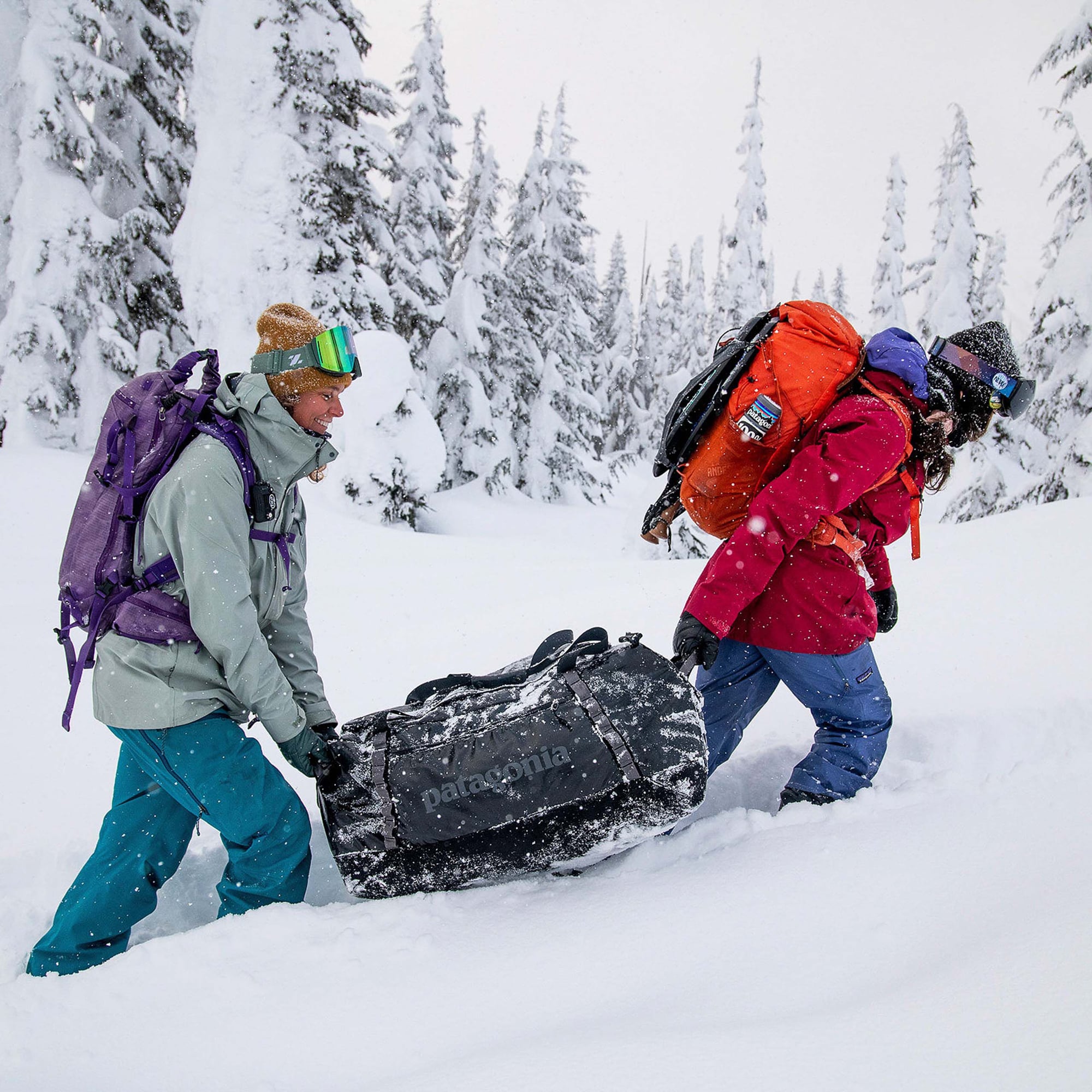
The debate around whether Patagonia is greenwashing is intensifying in 2025 , as its first full Work in Progress impact report reveals both standout climate leadership moves and uncomfortable gaps on emissions, materials, and circularity.
Big Climate Moves And Radical Transparency Patagonia’s unique ownership model funnels almost all profits not reinvested in the business to the Holdfast Collective , which has received around 180 million dollars since 2022 , alongside a long‑standing 1% of revenue pledge via 1%
for the Planet . The 2025 report highlights repair and durability, backed by tools like the Ironclad Quality Index and a global program that repaired about 174,799 products in FY25 , plus the Worn Wear resale model and one of the largest apparel repair infrastructures in the U.S.
—though resale still accounts for only about 1% of total revenue , or roughly 13 million dollars on ~1.47 billion dollars in annual sales. Around 84% of fabrics and trims by weight are now “preferred” materials, and Patagonia holds certifications including B Corp , GRS, and Regenerative Organic Certified .
Emissions Going The Wrong Way Despite a pledge to reach net‑zero by 2040 , Patagonia’s total greenhouse gas footprint increased by about 2% in FY25 compared with FY24 , to roughly 182,646 metric tons CO₂e , and sits somewhere in the high‑teens to mid‑twenties percent above its 2017 baseline depending on the source.
The company attributes this rise largely to a shift towards more carbon‑intensive categories such as packs and duffels , even as it scales preferred materials and removes “forever chemicals” from fabrics, while more than 90% of emissions remain locked upstream in raw materials and…