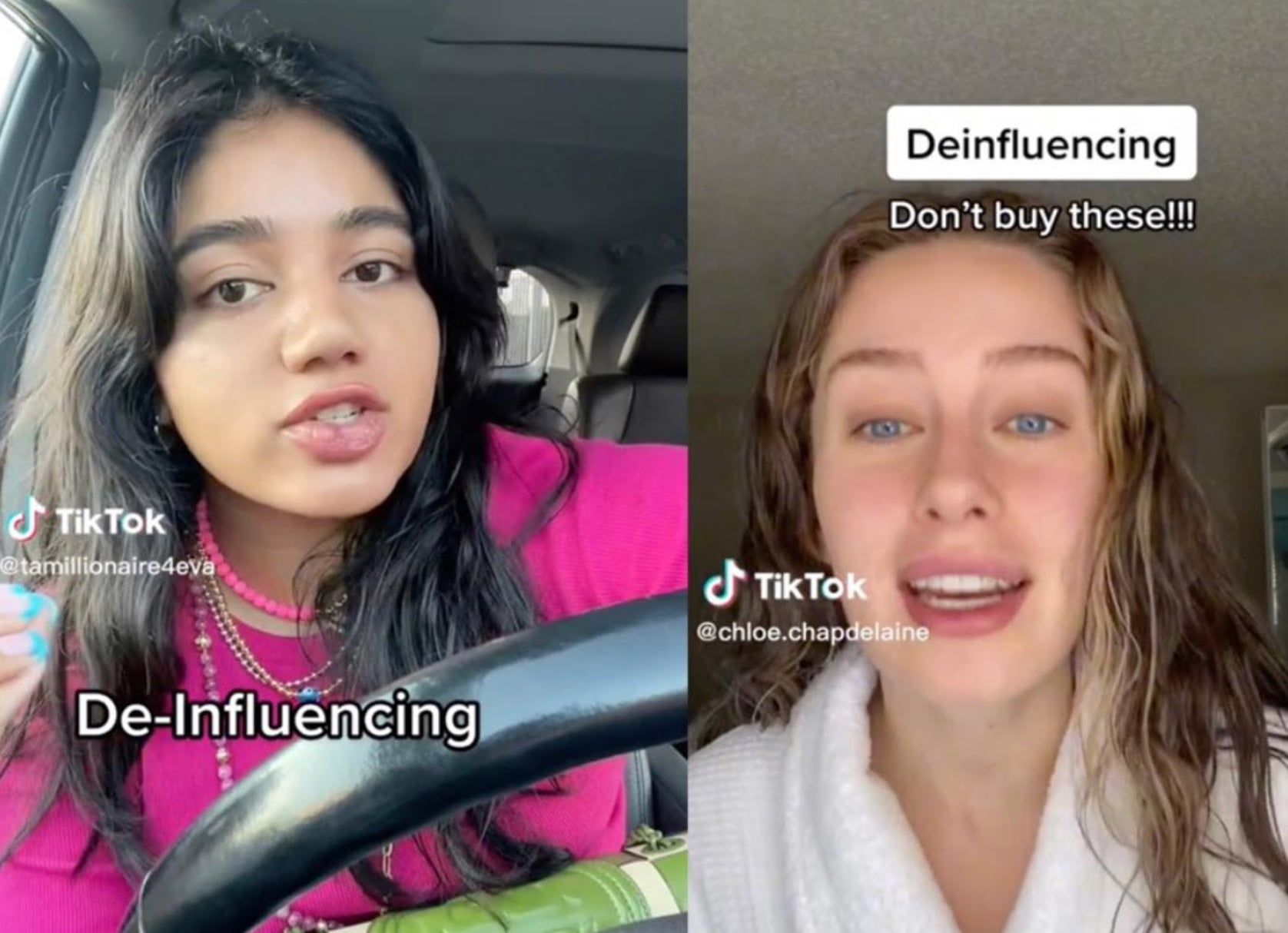
Deinfluencing, the diminishing reliance on traditional influencers, has become a defining trend in the social media landscape 2025. As platforms evolve and consumer behavior shifts, brands rethink their marketing strategies to adapt to this new reality.
But what exactly is deinfluencing , and how can it be leveraged as a marketing strategy ? Let’s explore the concept, its pros and cons, and how brands navigate this shift in 2025. What is Deinfluencing? Deinfluencing refers to the declining impact of traditional
influencers—those with large followings and polished content—on consumer purchasing decisions. Instead, consumers turn to micro-influencers , user-generated content (UGC) , and word-of-mouth recommendations for more authentic and relatable advice.
This trend has been fueled by growing consumer skepticism toward overly curated influencer content and a desire for transparency. According to a 2025 report, 72% of Zillennials now trust recommendations from peers or micro-influencers more than macro-influencers.
The Rise of Deinfluencing 84% of shoppers consult at least one social media platform before making a purchase , with 50% citing social media and word-of-mouth as the most effective ways to discover brands . Micro-influencers (those with 10,000–100,000 followers) now drive 3x higher engagement rates than macro-influencers.
TikTok and Instagram Reels remain the top platforms for influencer marketing , but emerging platforms like Mastodon , Hive , and Discord are gaining traction as spaces for authentic, community-driven conversations…




Discussion
0 Comments
No comments yet.
Sign in to join the discussion.