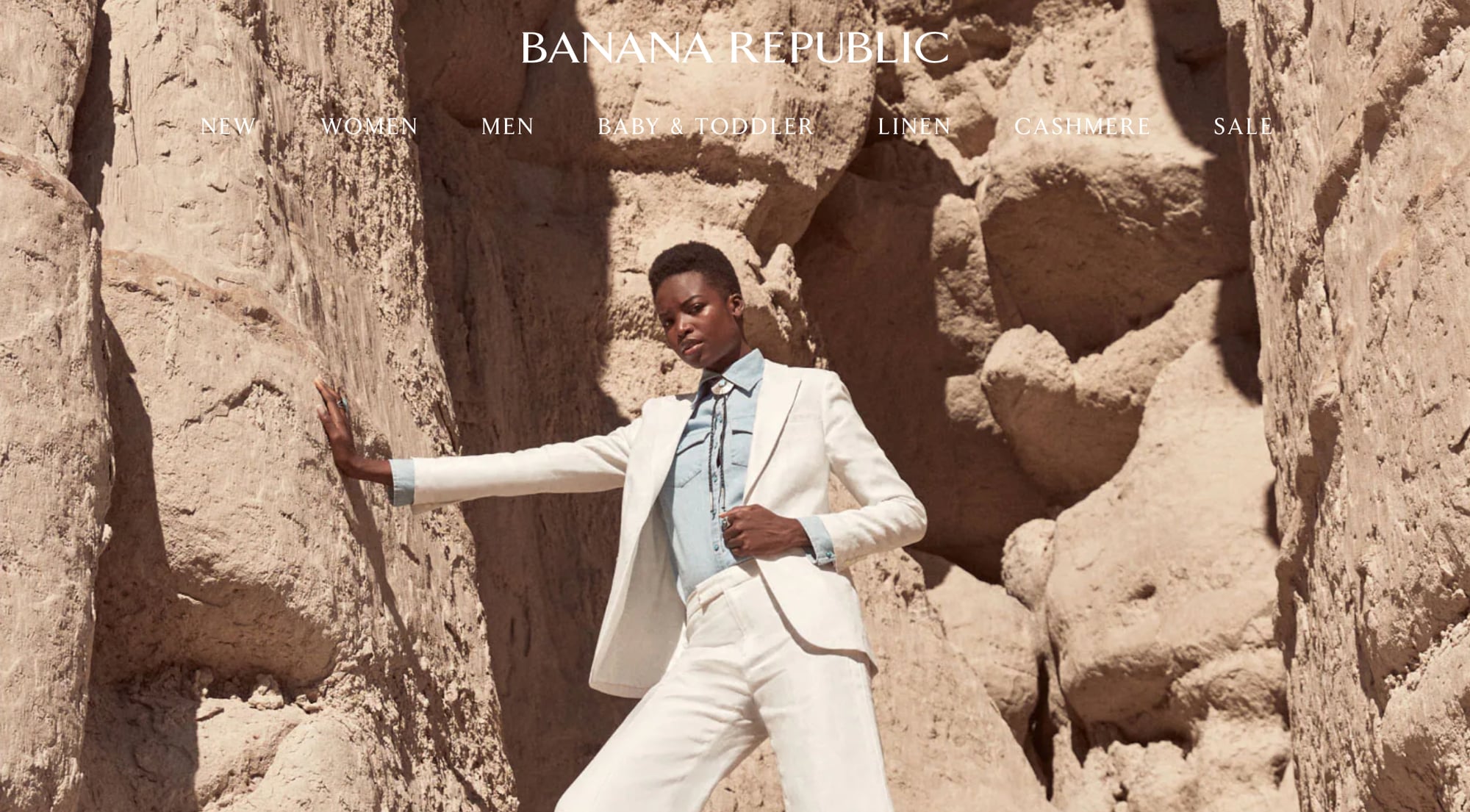
Banana Republic, a once-iconic fashion retailer, has experienced a decline in quality and sales over the years. The brand's downfall can be attributed to several factors, including increased competition from fast-fashion retailers, changes in consumer preferences, and an inability to justify its premium price points.
In the early 1980s, Gap Inc. acquired Banana Republic and rebranded it from a safari-themed store to a professional clothing retailer, offering suits and shift dresses. However, as the years passed,
the brand faced stiff competition from more affordable fast-fashion retailers like H&M, Zara, and Forever 21. These competitors were able to replicate recent catwalk trends and high-fashion designs at a lower cost, quickly bringing them to retail stores while demand was at its highest.
This led to a significant decline in Banana Republic's sales, with a 12% drop in the last quarter and a 15% decrease in just one month in 2015. Another factor contributing to the decline in quality is the brand's failure to adapt to changing consumer preferences.
Banana Republic lacked lifestyle activewear, which has become one of the fastest-growing apparel markets. Department stores like Nordstrom have improved their wear-to-work fashions and price points, further challenging Banana Republic's position in the market.
Moreover, Banana Republic struggled to justify its premium price points, leaving consumers with little incentive to shift their spending from rival brands. The merchandise assortment for men's and women's clothing lacked the pizazz needed to attract customers and keep them loyal to the brand…


Discussion
0 Comments
No comments yet.
Sign in to join the discussion.