The rise of counterfeit goods among Generation Z has become a significant concern for luxury brands. This tech-savvy generation, born between the mid-1990s and early 2010s, is increasingly attracted to fake products due to various factors such as affordability, easy access, and social status.
As Gen Z is set to make up 40% of total consumers in the United States by 2023, understanding their relationship with counterfeit goods is crucial for luxury brands to respond effectively and protect their brand value. "The
growing Gen Z trend love for showing off fake dupes is being coined "frugal flexing," where younger shoppers show off products that look more expensive than they really are.
The cost of living challenges faced by Gen Z consumers further fuels their interest in counterfeit goods, as they seek to do more with less," says Retail Expert, Jeanel Alvarado . In fact, it is estimated that by 2023, Gen Z will represent about $143 billion in annual purchasing power.
Furthermore, Gen Z is expected to make up 27% of the workforce by 2025, further solidifying their influence on the market.One of the primary reasons Gen Z is drawn to counterfeit goods is the lower price tag.
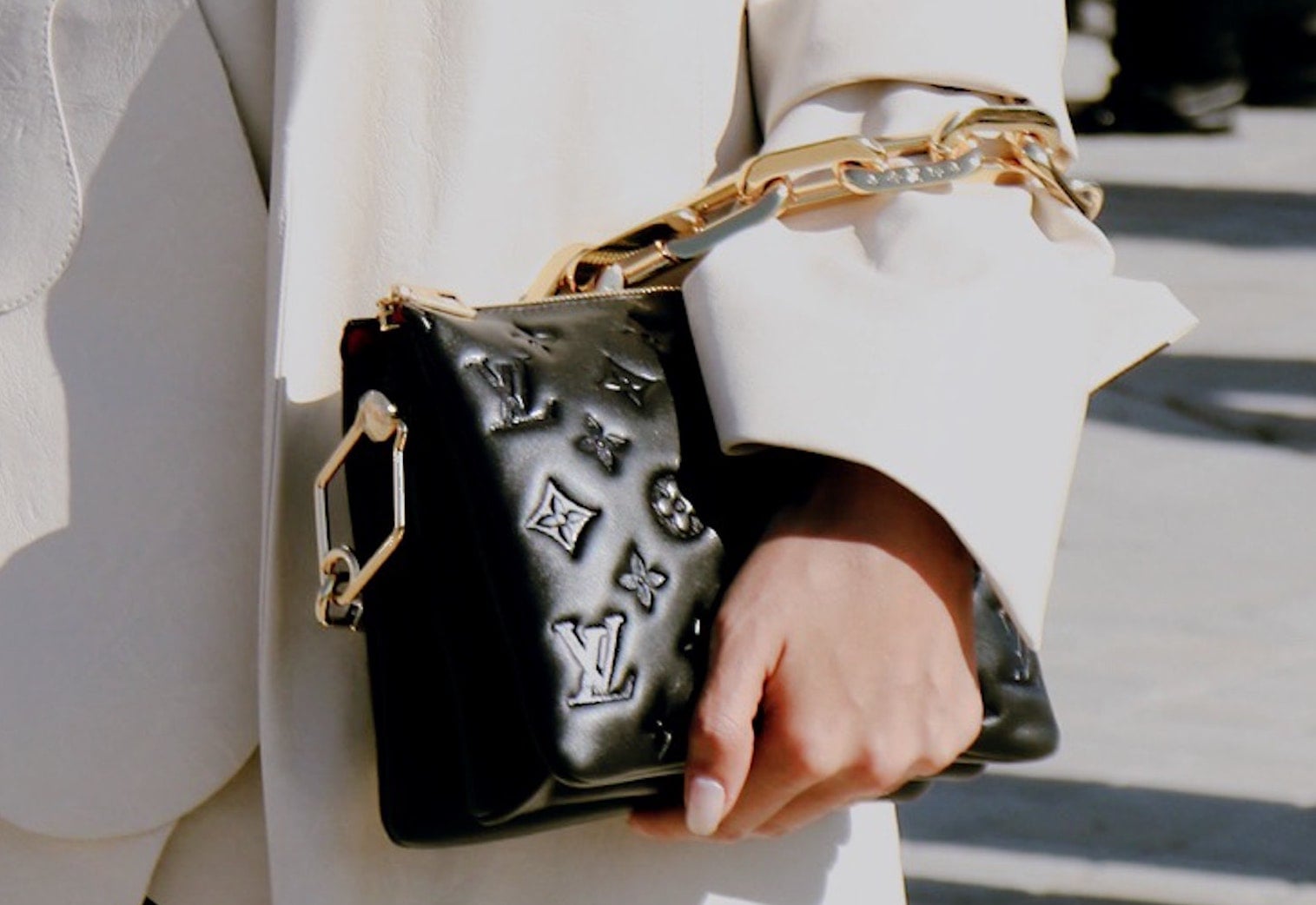
For example, a Louis Vuitton Speedy 30 bag costs US $1980, while a copycat version can be purchased for just a few dollars. With limited purchasing power, young consumers prioritize affordability over authenticity when shopping for style…






Discussion
0 Comments
No comments yet.
Sign in to join the discussion.