Retail real estate is a vital segment of the commercial property market that focuses on properties used for selling consumer goods and services. This sector has recently experienced significant growth and innovation, particularly after the global pandemic.
As businesses adapt to changing consumer behaviors and preferences, retail real estate continues to evolve, offering new opportunities and challenges for investors and retailers alike. Types of Retail Properties Retail properties come in various forms, ranging
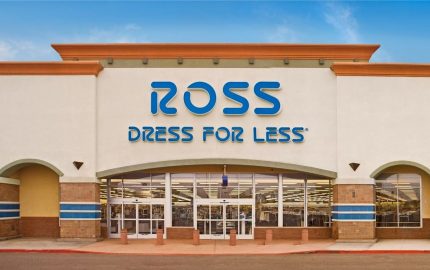
from single-tenant buildings to large shopping centers with multiple anchor tenants. Some common types of retail properties include: 1. Single-tenant retail buildings: These are standalone structures occupied by a single retailer, such as a fast-food restaurant or a bank branch..
They are typically located in high-traffic areas and may feature a drive-thru or ample parking. 2. Strip malls: These are small shopping centers that typically feature several retail tenants, anchored by one or two larger retailers. They often have an open-air layout and share a parking lot. 3.
Neighborhood centers: These are larger shopping centers that serve a specific area or neighborhood. They may feature a mix of retail and service tenants, such as grocery stores, banks, pharmacies, gyms and other essential services. 4.
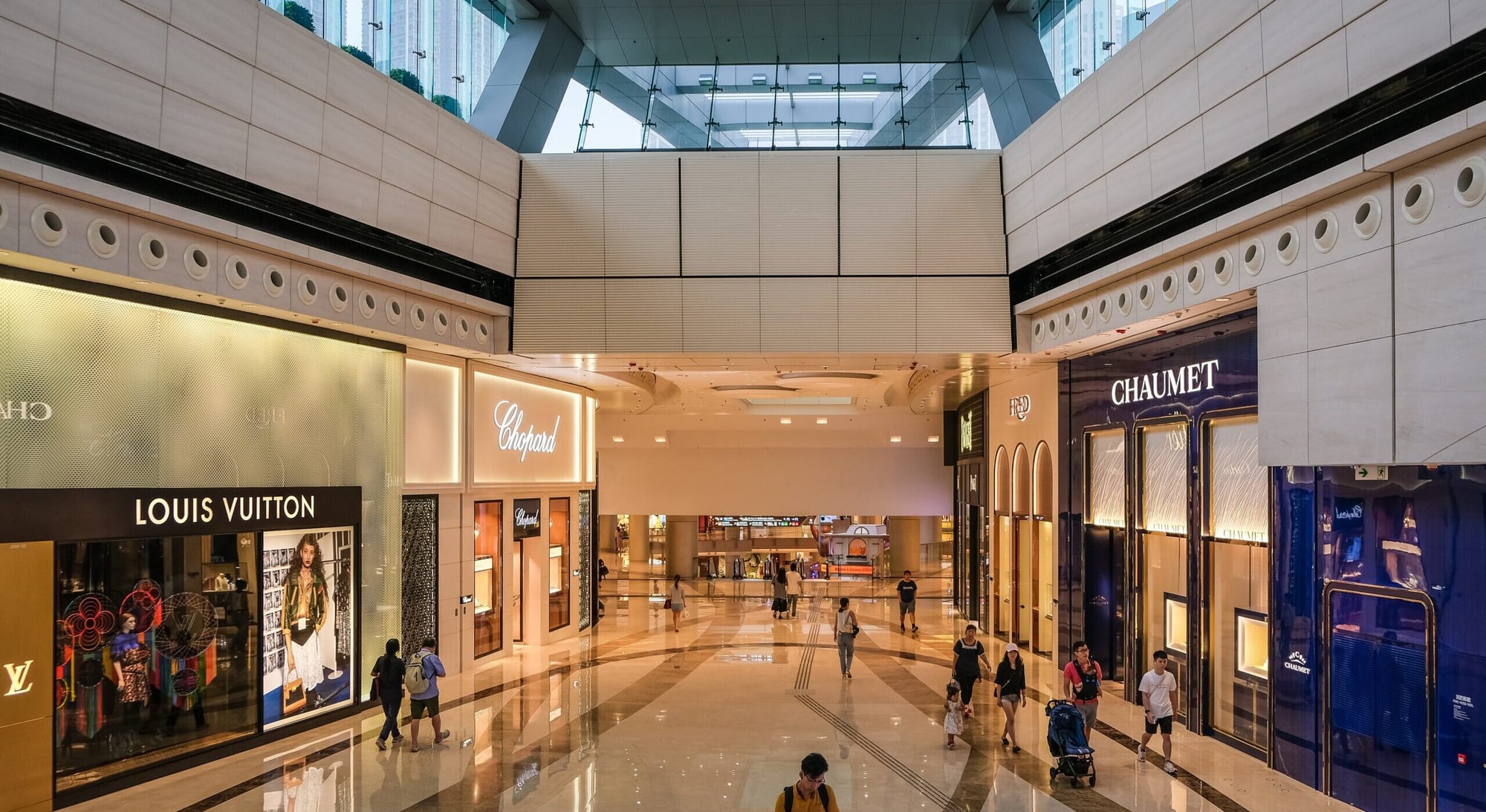
Regional malls: These are large enclosed shopping centers that typically feature upscale department stores, specialty retailers, and restaurants. They often serve as the primary retail destination for a region or city. 5…





Discussion
0 Comments
No comments yet.
Sign in to join the discussion.