In today's consumer market, a concerning trend known as "shrinkflation" is on the rise. This phenomenon occurs when the size or quantity of a product is reduced while the price remains the same or even increases. As a result, consumers are getting less for their money without even realizing it.
In this blog post, we will delve into the world of shrinkflation, exploring how it impacts consumers and why it is a growing concern in the marketplace. What is Shrinkflation? Shrinkflation is a term that combines "shrink"
and "inflation," highlighting the reduction in size or quantity of a product and the subsequent increase in prices. It is a strategy employed by manufacturers to maintain profit margins in the face of rising production costs.
By reducing the amount of product without changing the price, companies can avoid an obvious price hike and continue to generate revenue. The Practice of Shrinkflation Shrinkflation has become increasingly prevalent across various industries, particularly in the food and beverage sector.
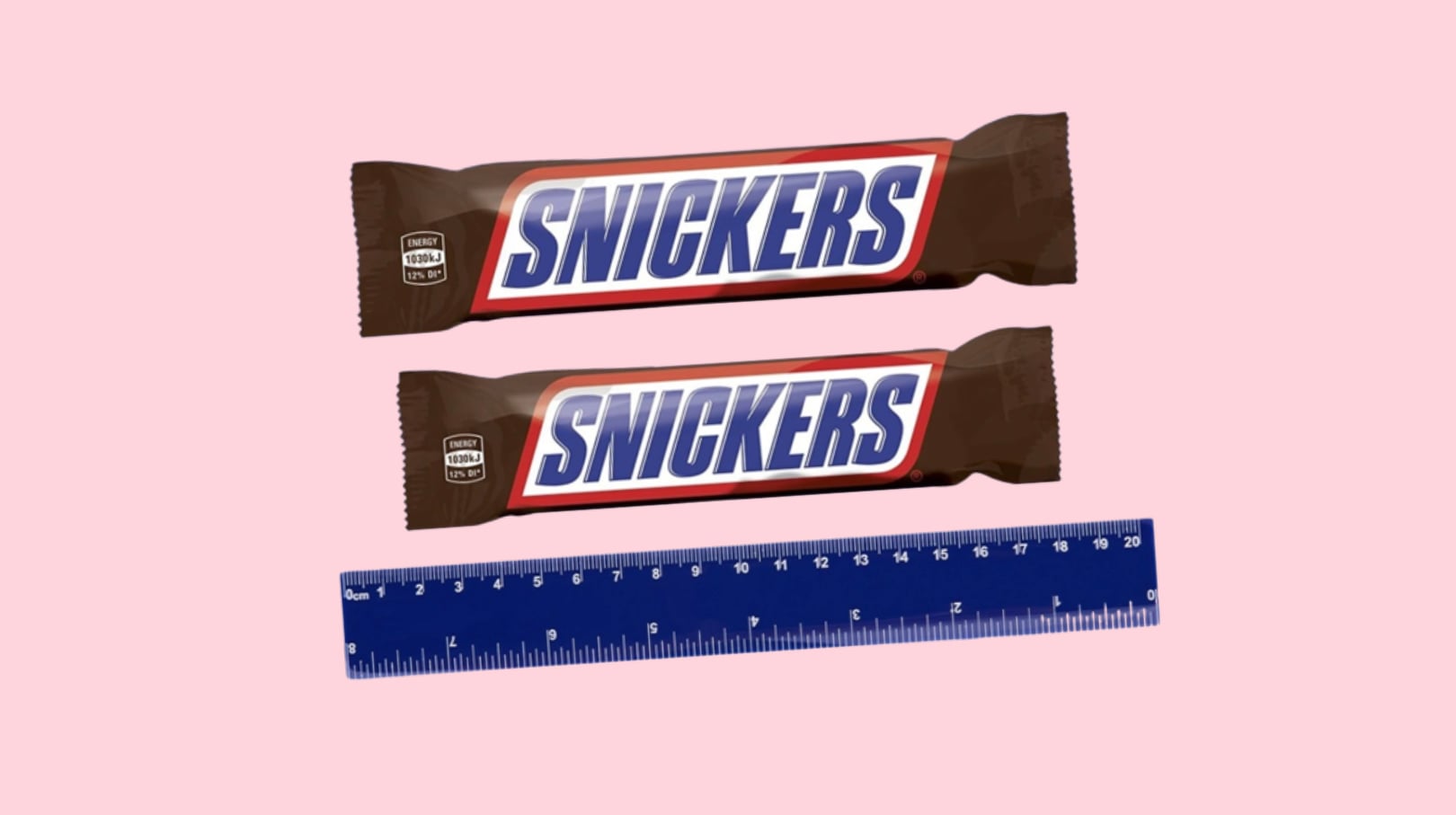
Consumers have noticed that products such as chocolate, crisps, packs of biscuits, and snack bars are being sold in smaller packaging or portion sizes, all while maintaining the same or higher price. This tactic can be seen as deceptive, as consumers may unknowingly be paying more for less.
Hidden Inflation Shrinkflation gives rise to hidden inflation, as the price of a product remains unchanged, but the quantity is reduced. This can make it more difficult for consumers to track what they are missing and may even lead to feelings of being cheated…





Discussion
0 Comments
No comments yet.
Sign in to join the discussion.