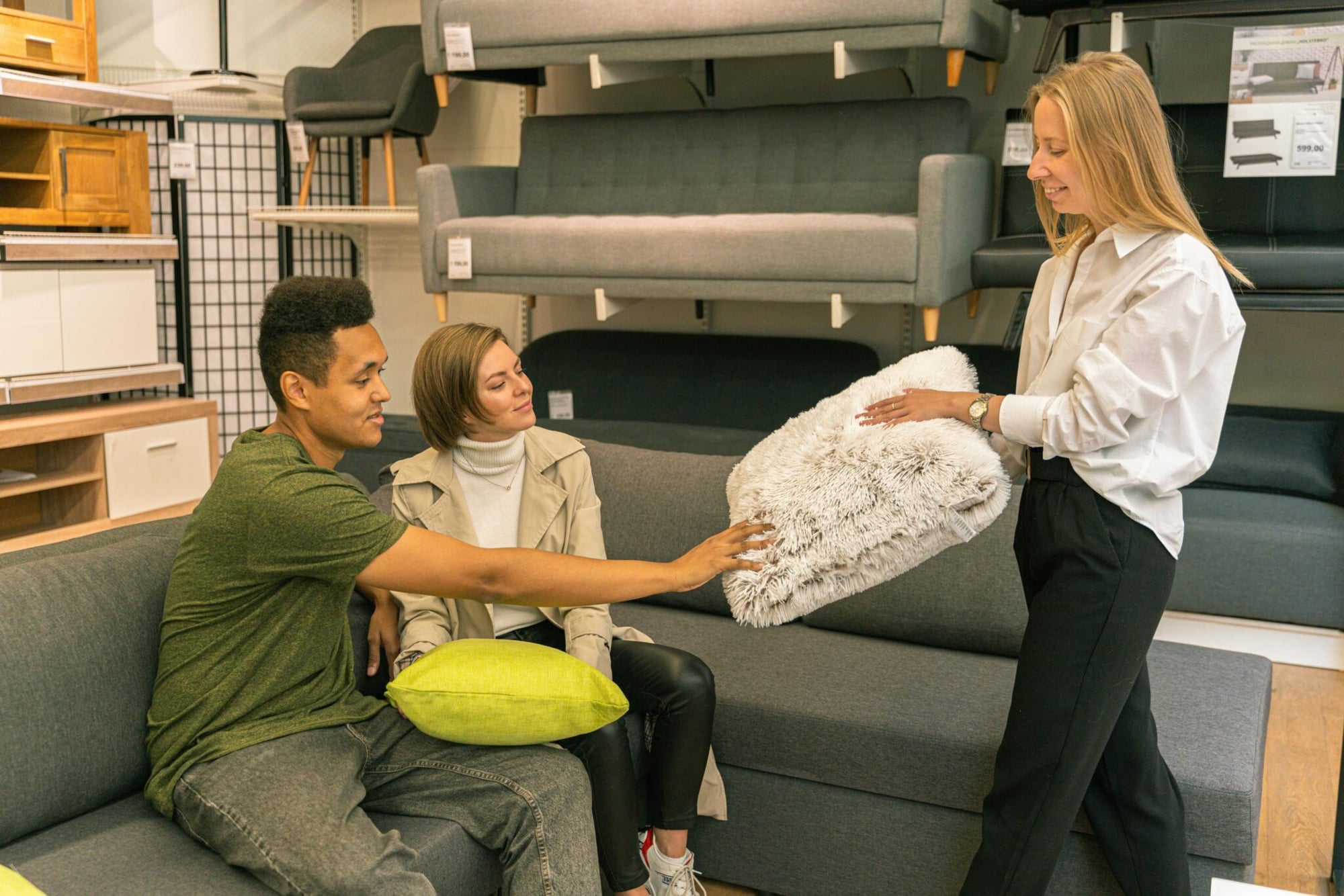
In an age where economic uncertainties loom large and stress levels are at an all-time high, it's no wonder that many find pleasure in the welcoming arms of retail therapy. The Bazaarvoice 2024 Shopper Preference Report states that a striking 68% of consumers take pleasure in retail therapy.
But what lies beneath this widespread affection for retail indulgence, especially when juxtaposed against the somber reality that 17% of Americans struggle to afford essential purchases? Firstly, retail therapy offers a
temporary escape from daily pressures. In the hustle and bustle of life, buying provides a momentary break, a diversion from personal and global concerns. Psychologists have long pointed out that shopping can result in a surge of endorphins, those feel-good hormones that momentarily lift our spirits.
Secondly, it's about control. When individuals may feel powerless — perhaps due to challenges at work, home, or within their financial means — making a purchase is an action over which they have full agency. This perceived control can be powerful and intoxicating, offering a sense of autonomy in an uncontrollable world.
Moreover, retail therapy taps into the excitement of anticipation and novelty. Owning something new, whether it's the latest gadget, a fashion item, or even something as simple as a novel office accessory, brings a fresh experience into our lives. It momentarily injects excitement and breaks the monotony of everyday routines.
However, there's a poignant contrast in these numbers. While retail therapy remains a source of joy for many, a significant minority faces economic hardship that prevents them from engaging in even the most modest purchasing activities. The same…





Discussion
0 Comments
No comments yet.
Sign in to join the discussion.