Formula 1 is no longer just a motorsport. It is a global media platform with 827 million fans, a growing female audience, and a sponsorship market on track to cross $3 billion in 2026. That shift did not happen overnight, and it has created one of the most valuable brand arenas in the world right now.
The Audience Changed, and Brands Followed For most of F1's history, the sport attracted a narrow audience: affluent, older, and predominantly male. That profile has changed sharply. According to Formula 1's own 2025
season review , 42% of the global fanbase is now female, up from 37% in 2018, with women accounting for three in four new fans added to the sport. F1's global fanbase has grown from around 450 million in the mid-2010s to 827 million by the end of 2025, making it the world's most popular annual sporting series.
Netflix did much of the heavy lifting. The Drive to Survive docuseries, now in its eighth season, brought in younger, more diverse, and more globally distributed fans. With that demographic came entirely new sponsorship categories.
Brands like LEGO, LVMH, Charlotte Tilbury, and KitKat have all entered F1 in recent years, all brands that would not traditionally align with a motorsport audience. This mirrors a broader pattern in luxury brand marketing , where reaching new and younger audiences has become the central challenge.
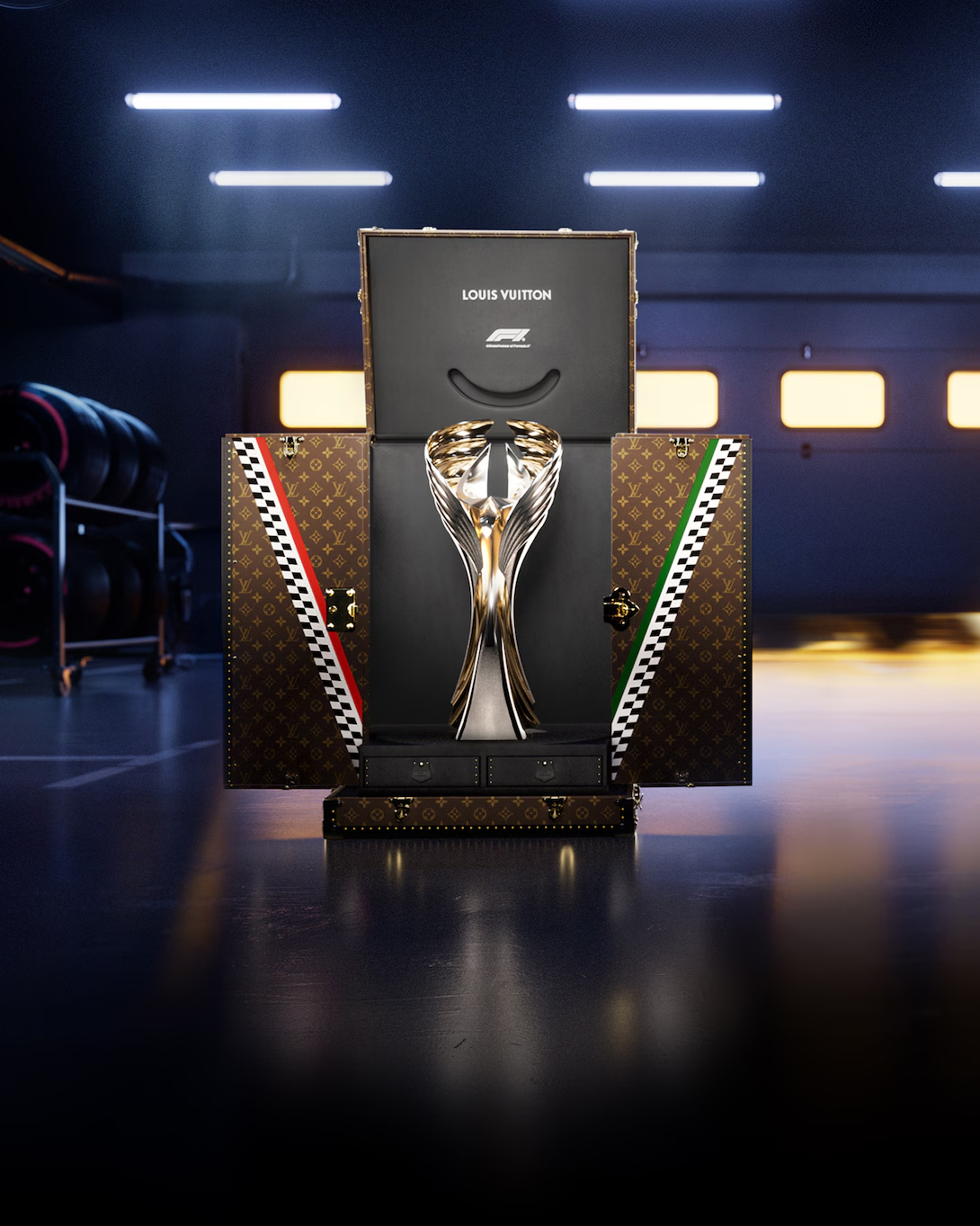
LVMH: The Biggest Bet The clearest signal of luxury's commitment to F1 came in October 2024, when LVMH signed a landmark 10-year global partnership with the sport…