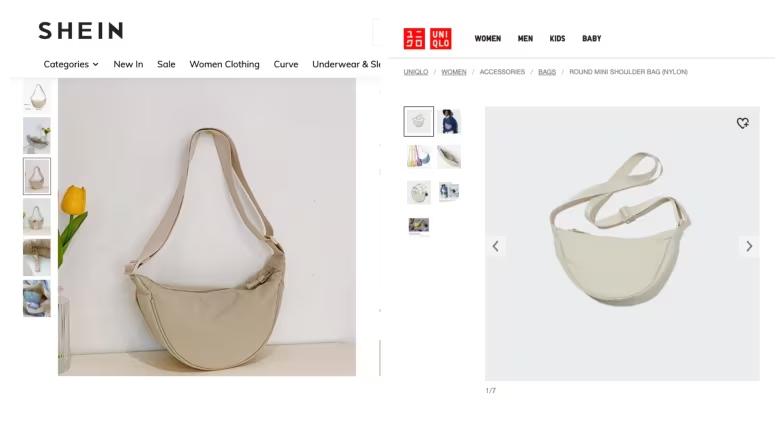
The line between inspiration and imitation often blurs in the fashion industry, leading to heated debates about originality, creativity, and intellectual property rights.
The industry, known for its rapid cycles and constant pursuit of the "next big thing," sees tremendous imitation, but why is this practice so prevalent, and to what extent is it legally permissible?
replication. Designers frequently draw inspiration from their surroundings, including art, nature, and especially the work of their peers. This cycle of borrowing ideas has been pivotal in fueling the industry's creative engine, fostering innovation by evolving existing concepts.
However, when does inspiration become outright plagiarism? This question lies at the heart of many controversies within the fashion world. Why So Much Imitation? Fast Fashion and Market Demand: The rise of fast fashion has significantly contributed to the increase in imitation.
To meet consumer demand for the latest trends at accessible prices, these brands often replicate designs seen on high-fashion runways, delivering them to the market at an accelerated pace. The Evolutionary Nature of Style: Fashion is evolutionary, with trends resurfacing and being reinterpreted over time.
While some argue that certain styles cannot be owned, the fine distinction between homage and theft remains contentious. Competitive Edge: Staying relevant is paramount in a highly saturated market. Imitation can be a brand strategy to maintain visibility and competitiveness without the extensive investment required for true…





Discussion
0 Comments
No comments yet.
Sign in to join the discussion.