The luxury industry is undergoing a major transformation, driven by the spending habits and preferences of Generation Z. This generation, born between the mid-1990s and early 2010s, has grown up in a digital-first world with access to shopping choices at their fingertips.
According to Bain & Co., Gen Z accounts for 20% of all luxury sales globally in 2024 , significantly impacting the high-end market and compelling luxury brands to adapt to new consumer expectations. By 2025, Millennials and Gen Z are projected
to contribute 70% of all luxury spending . This monumental shift highlights the urgent need for brands to stay in tune with these younger consumers' evolving tastes and values. As they prioritize sustainability, inclusivity, and personalization, luxury brands must adapt to remain relevant and appealing.
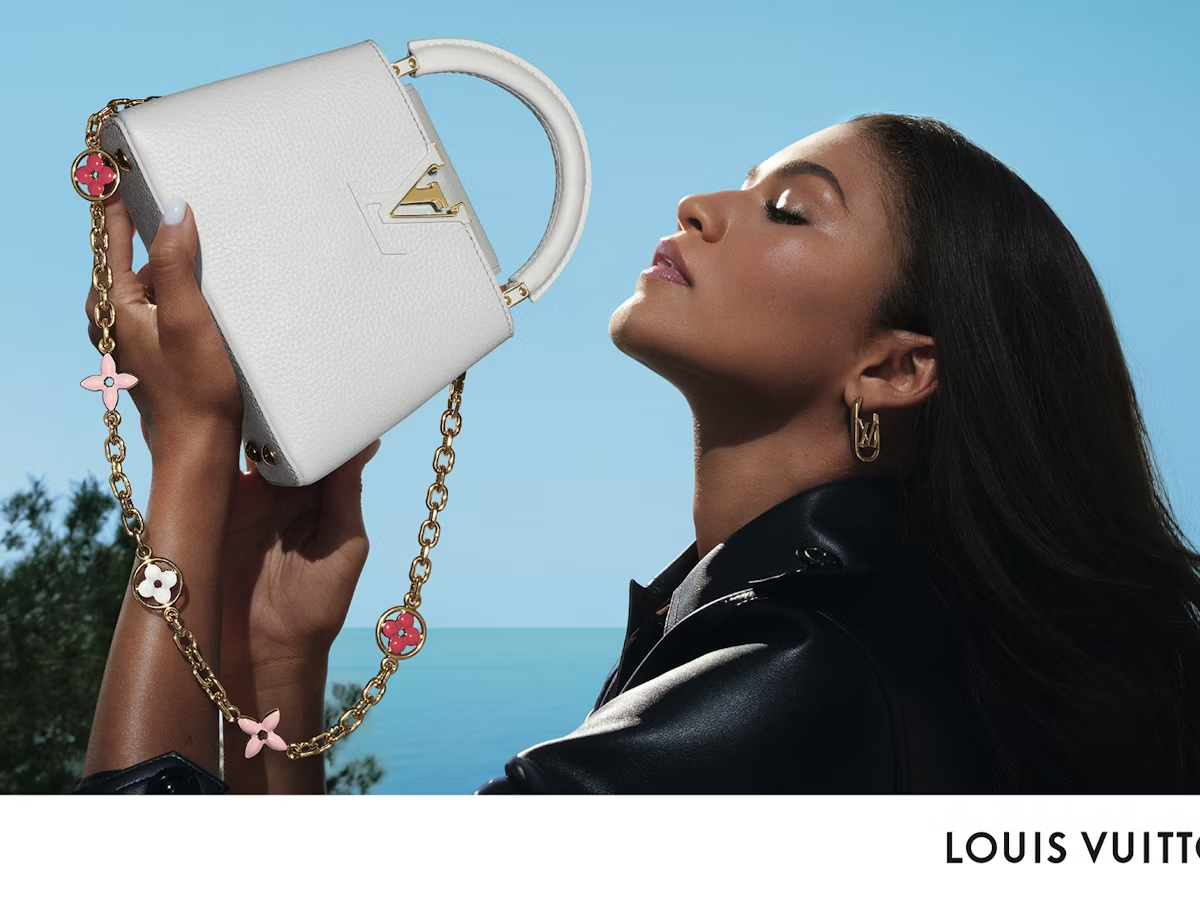
Ignoring these generational preferences could mean losing out on a significant market share. Gen Z icon, Zendaya is best known for her roles in "Euphoria" and the "Spider-Man" trilogy; she has also become a prominent figure in luxury fashion.
In April 2023, Zendaya was unveiled as Louis Vuitton's newest House Ambassador , starring in a stunning campaign for the brand's iconic Capucines bag. This shows Gen Z's appeal to luxury brand decision-makers; we have compiled 5 key areas brands should focus on to attract Gen Z and Millennial shoppers interested in luxury goods.
1. Gen Z’s Unique Characteristics Several characteristics set Gen Z apart from previous generations: Digital Natives : Having never known a world without the internet, Gen Z is highly interconnected through social media platforms. They leverage online tools to discover, evaluate, and purchase luxury goods. Social…



Discussion
0 Comments
No comments yet.
Sign in to join the discussion.