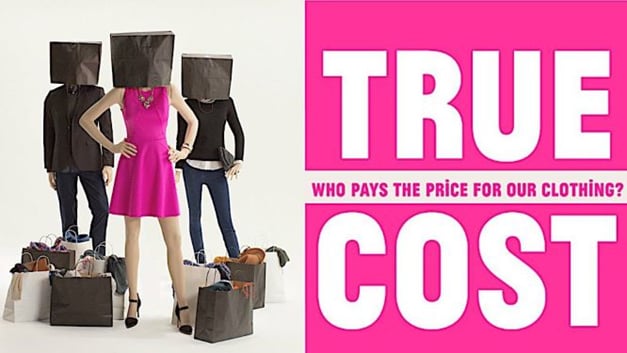
In a world where clothing is often seen as a mere commodity, Andrew Morgan's documentary The True Cost (2015) sheds light on the hidden realities of the fashion industry.
It reveals the intricate web of human lives and environmental impacts tied to the clothes we wear and urges us to reconsider the true price of our fashion choices. Consumers purchase 80 billion pieces of clothing globally each year—400% more than 20 years ago—and generate 82 pounds of textile waste per American annually.
fashion to consumerism, capitalism, and high environmental costs, showing deplorable worker conditions. Additionally, it highlights the organizations advocating for fashion sustainability, leading to shifts in consumer behavior and industry standards. Let's dive into the five key takeaways from the True Cost documentary.
Key Takeaways The fashion industry is deeply interconnected with global economic systems, often prioritizing profit over human rights and environmental sustainability. Fast fashion has transformed the clothing market, creating a culture of disposability and exploitation.
The documentary highlights the tragic consequences of neglecting worker safety and rights, exemplified by disasters like the Rana Plaza collapse . Ethical fashion alternatives exist, emphasizing fair trade and sustainable practices. 1.
The Hidden Story Behind Our Clothes The documentary reveals how the fashion industry has evolved from a system that once thrived on local production to heavily relying on outsourcing to developing countries. This shift has resulted in a staggering decrease in domestic manufacturing, with the U.S…





Discussion
0 Comments
No comments yet.
Sign in to join the discussion.