The fast fashion industry, known for its rapid production of inexpensive garments, has significantly contributed to the rise in textile waste, posing serious environmental threats. The U.S. Government Accountability Office (GAO) has published a comprehensive report , GAO-25-107165, on textile waste and the toll of fast fashion.
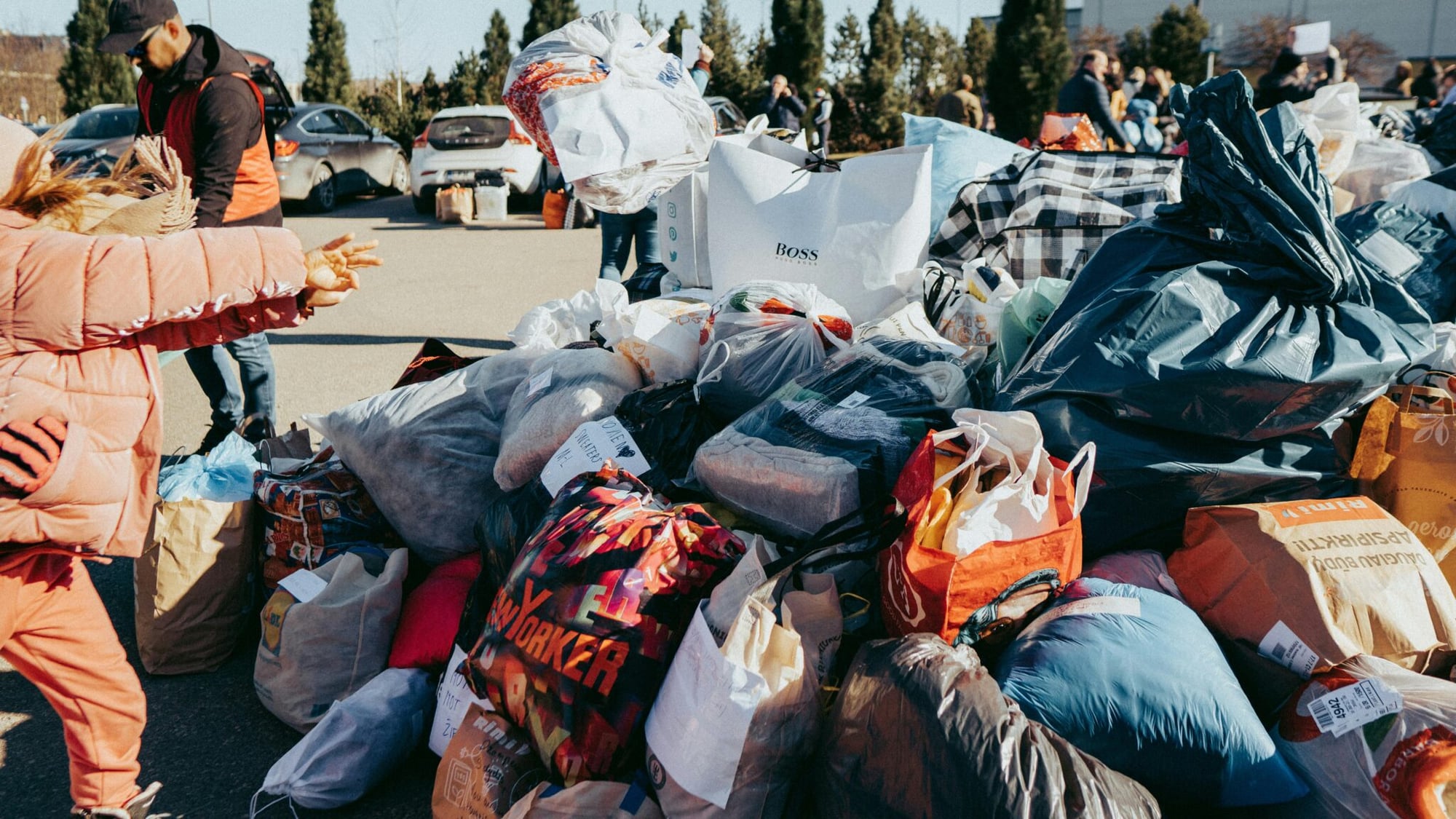
The EPA data reveals that textile waste in the U.S. surged by over 50 percent from 2000 to 2018, with 17 million tons generated in 2018 alone. Around 11.3 million tons of this waste ended
up in landfills, intensifying environmental pollution and occupying valuable landfill space. It highlights the alarming environmental damage caused by discarded textiles such as apparel, carpets, footwear, and towels.
Environmental Impact of Textile Waste Textile waste is responsible for significant environmental harm; decomposing these materials in landfills releases harmful greenhouse gases like methane and leach contaminants into the soil and groundwater.
The decomposition of textiles in landfills results in harmful chemicals leaching into the environment. The considerable influence of "fast fashion"—rapid production cycles of trendy, low-cost apparel— has exacerbated this problem over the past two decades.
The fast fashion business model , characterized by rapid and low-cost production and inadequate systems for collecting and sorting textiles and nascent recycling technologies, has exacerbated the waste problem. The focus on short-term garment use has led to a significant turnover of clothing, much of which is discarded…






Discussion
0 Comments
No comments yet.
Sign in to join the discussion.