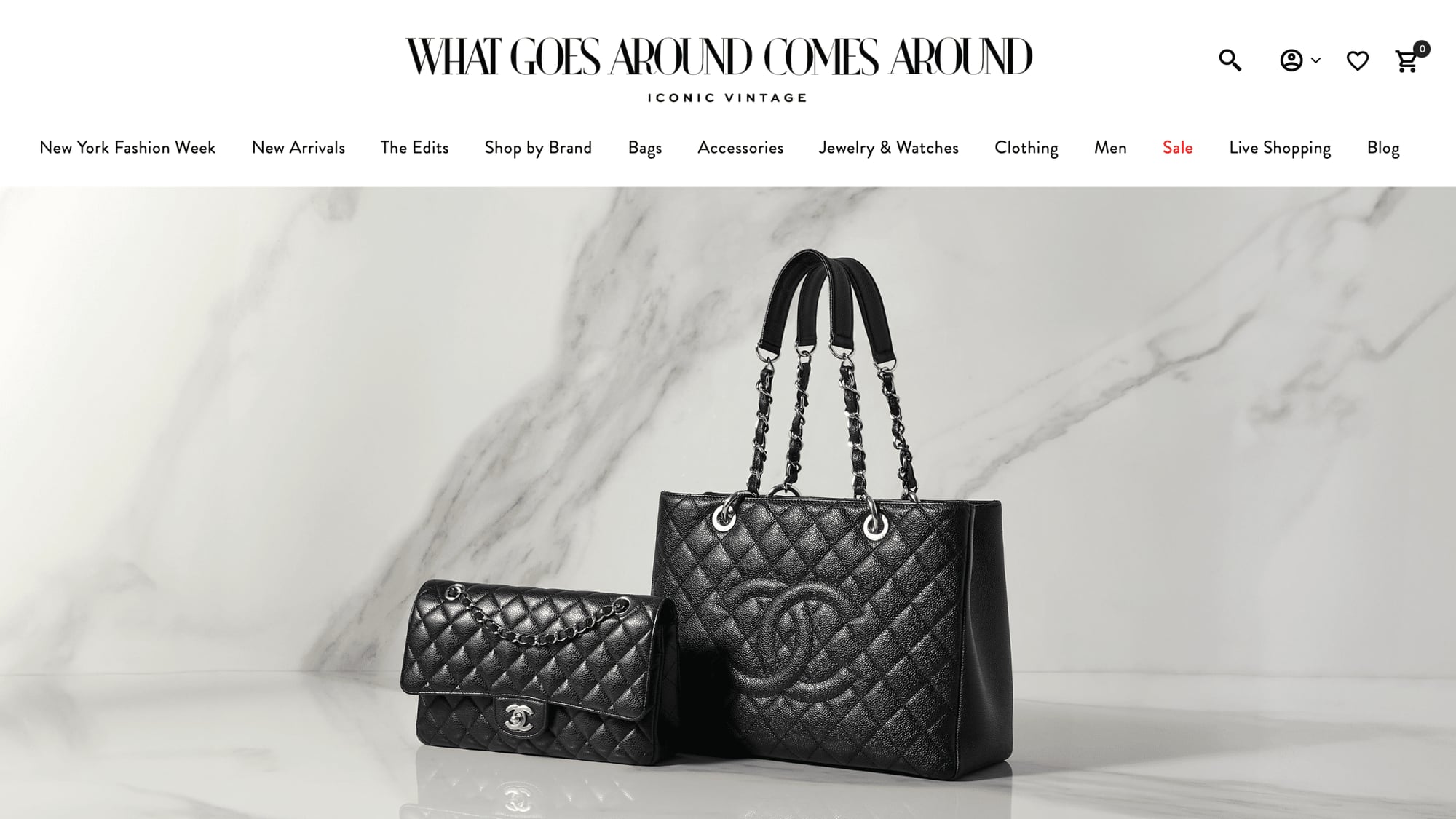
In a significant ruling that will reshape how luxury resellers approach brand partnerships and authentication practices, a New York federal judge has denied Chanel's request for attorney fees.
While Chanel walked away with a substantial $4.56 million total award—comprised of $4 million in jury-awarded statutory damages , $560,979 in litigation costs, and $12,739 in disgorgement of profits —the court's denial of attorney fees for $6.7 million sends a critical message about the boundaries of "exceptional" trademark
cases. Why Attorney Fees Were Denied Despite Chanel's Clean Sweep Judge Stanton's decision to deny attorney fees, despite Chanel's overwhelming legal victory, centers on a fundamental shift in Second Circuit law.
Under the 2019 4 Pillar Dynasty ruling, willful infringement alone no longer automatically qualifies a case as "exceptional" under the Lanham Act.
"This is not an exceptional case," Judge Stanton wrote, emphasizing that "trademark infringement is a familiar matter to every judge of this Court, and this dispute did not present particularly complex legal questions." The jury deliberated for less than two hours before delivering a unanimous verdict, suggesting the case's straightforward nature.
Crucially, the court noted that while WGACA's willful infringement was proven with 13 counterfeit handbags bearing stolen serial numbers from the Corti factory, these violations represented only "a small percentage of WGACA's overall sales of CHANEL-branded items, which were mostly in the bounds of the Lanham Act." This distinction will be vital for resellers moving forward—scale and proportion of violations matter significantly in determining liability severity…