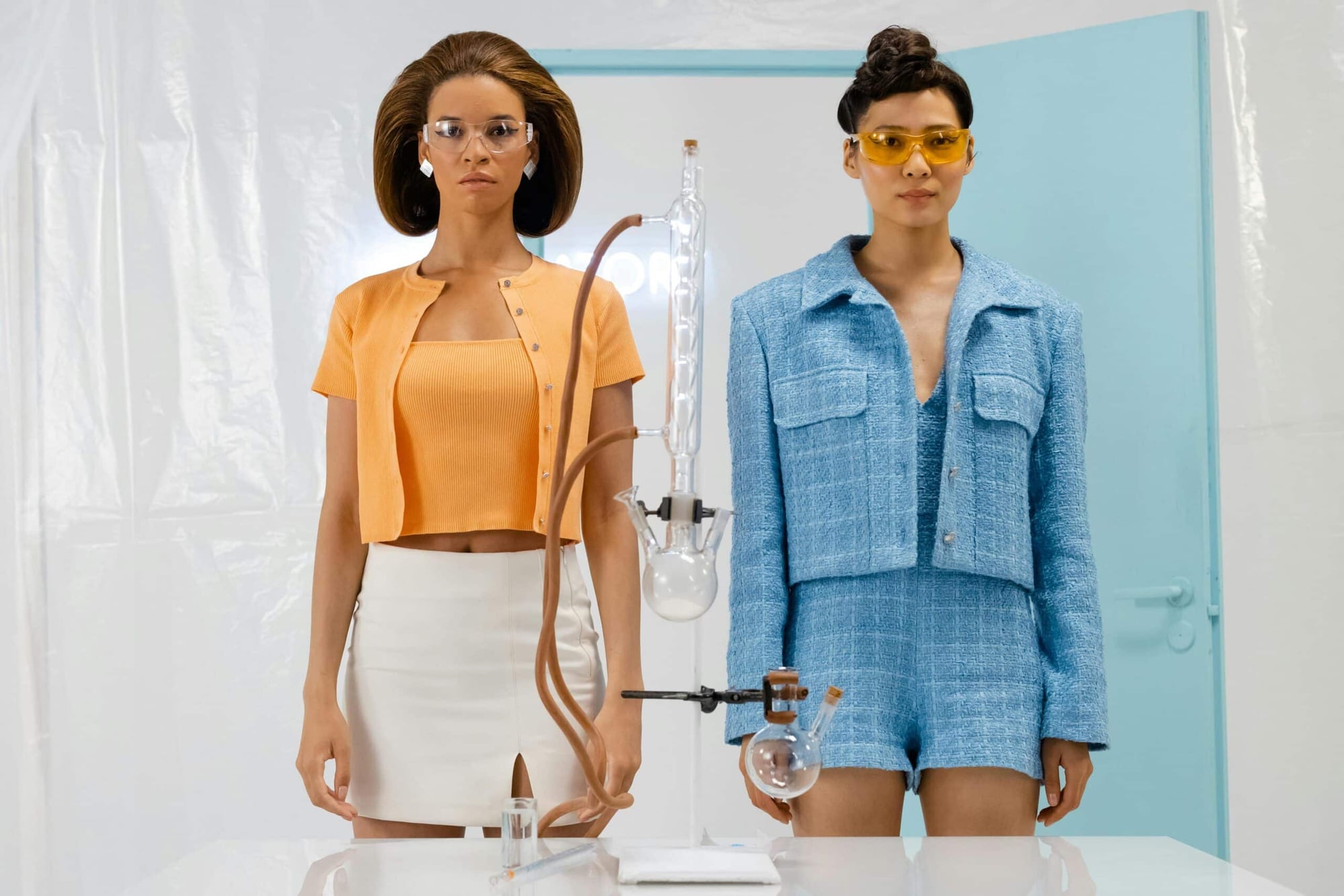
The fashion industry has always been about creativity and reinvention, and in 2025, technology is taking that change to unprecedented heights.
With the global fashion technology market projected to reach $345.39 billion by 2030 , brands are experimenting with virtual showrooms, AI-powered personalization, sustainable production methods, and smart fabrics, offering consumers more immersive and personalized experiences than ever before. 1.
way to immersive digital experiences that reach global audiences instantly. Brands like Nike and Gucci are using AR and VR technologies to build virtual showrooms where customers can browse and purchase both digital items and real-world designs.
These digital platforms allow brands to gauge market appetite before production begins, lowering waste and optimizing inventory management. Interactive mirrors and mobile integration provide personalized in-store experiences, allowing customers to virtually try on items or receive curated styling recommendations.
The concept of digital fashion showrooms is becoming widespread, allowing designers to showcase collections to worldwide audiences without geographical limitations. 2. AI's Role in Personalized Shopping Artificial intelligence is revolutionizing how consumers discover and purchase fashion items.
AI-powered recommendation systems analyze vast amounts of data, including purchase history, browsing behavior, and social media interactions, to deliver highly personalized product suggestions…