Vestiaire Collective , the leading luxury resale marketplace, has become the first fashion resale platform to monetize the emissions saved from secondhand purchases as certified, tradable carbon credits.
This pioneering initiative, launched in October 2025 , marks a new step for circular fashion—moving beyond narrative sustainability claims to attach measurable financial value to emissions avoided when consumers buy pre-loved instead of new. "This is more than a financial innovation; it’s proof that circularity
delivers tangible, measurable impact. It shows that it’s time to move away from looking at impact only as a cost center to a revenue stream," says Dounia Wone, Chief Impact Officer.
As climate regulation intensifies and demand for credible decarbonization tools in fashion swells, Vestiaire’s carbon credit play is sparking industry debate about both its promise and its risks.
Quantifying Circular Impact: The Methodology Vestiaire’s new carbon credits are based on a method from Inuk , verified by AmSpec , using conservative calculations: only 85% of secondhand buys are assumed to replace a new purchase, while a 12% “rebound effect” reflects new consumption stimulated by savings.
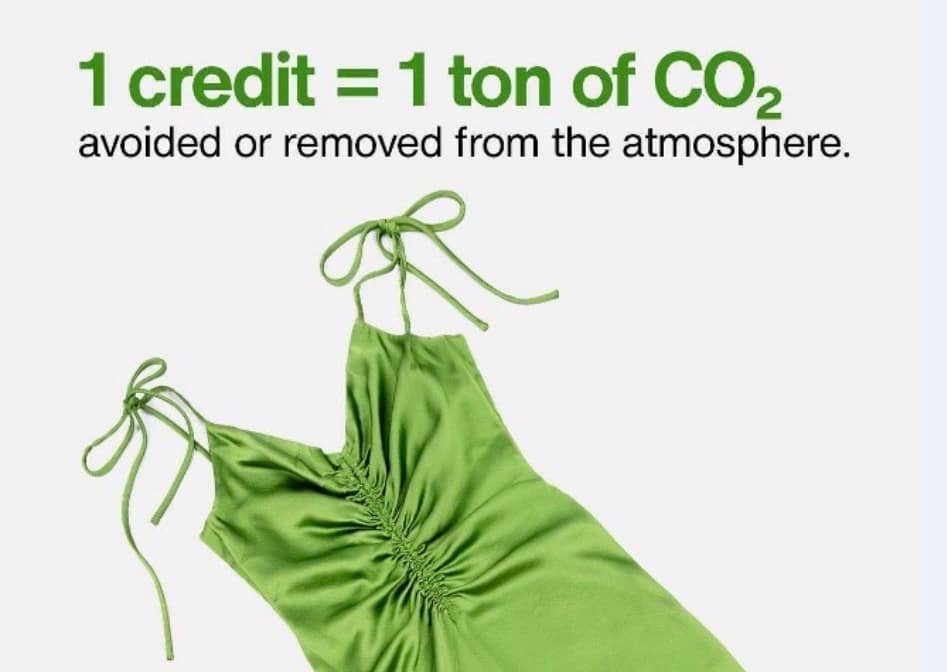
The platform’s first tranche— 55,000 certified credits—each represents one ton of CO ₂ emissions avoided by a user choosing resale over new. Revenues from the sale of these credits will reportedly be reinvested in expanding circular fashion infrastructure, with a focus on catalog curation and impact marketing…