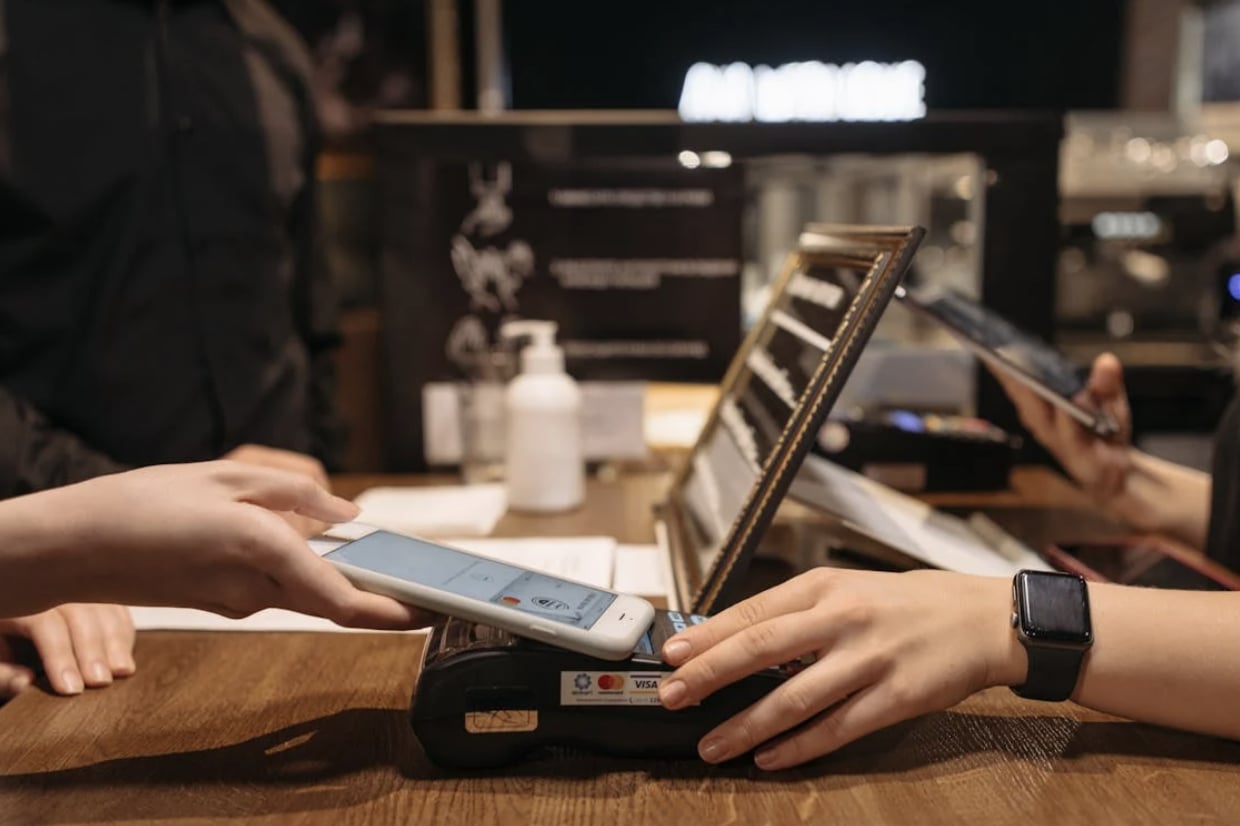
A good point-of-sale system is no longer just a place where money changes hands. It quietly sits at the center of your shop, connecting products, people, and payments so that the day feels less chaotic and more under control.
When your POS does its job well, you feel it first as relief: fewer mistakes, fewer manual tasks, and more clarity about what is actually happening in your store. Modern POS tools have evolved quickly over the last few years, especially with cloud-based software, tap-to-pay on phones, and
AI-assisted reporting becoming standard even for small retailers. That speed of change is exciting, but it also means you need to make deliberate choices. Point-of-Sale as Your Retail Nerve Center When your POS is set up properly, it becomes the nerve center of your retail business instead of just another app you tolerate.
You stop juggling separate tools for inventory, staff, and online orders, because the POS pulls these pieces into one place. That makes it easier to know what is going on without digging through spreadsheets or calling each location. The result is less guesswork and more decisions backed by actual numbers from your store.
POS software behaves more like a retail operating system that connects hardware at the counter, your e-commerce site, and often your accounting platform. You can add new devices or open a new location without rebuilding everything from scratch.
This also means you can standardize how products are named, priced, and taxed, so your team spends less time correcting errors. Cloud-Based POS Keeps You Flexible Cloud-based POS systems let you access your store data from almost anywhere, which is especially helpful if you manage multiple locations…