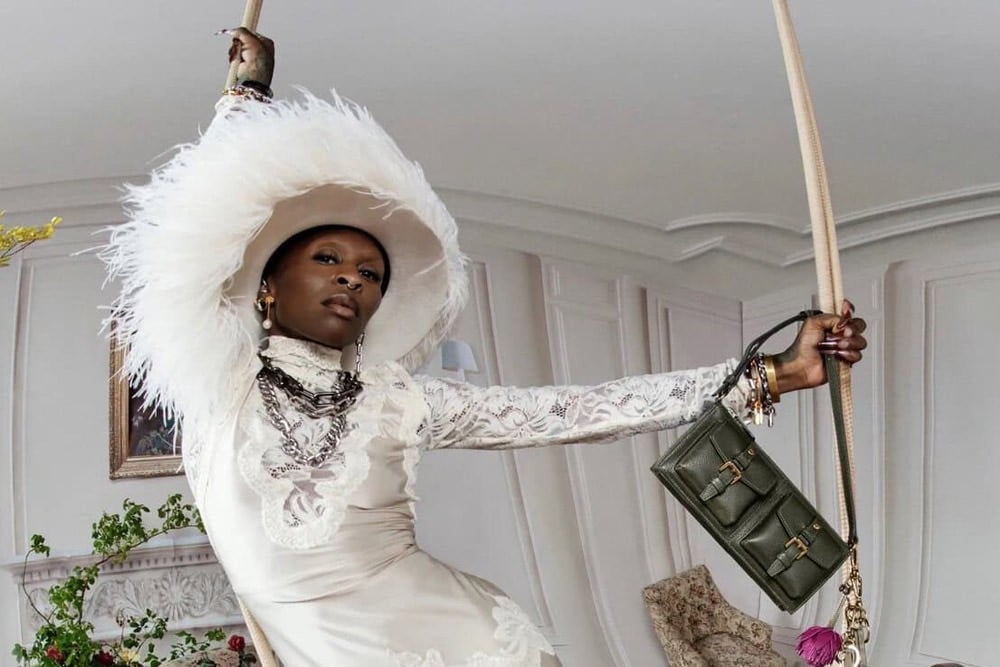
This RB report provides a comprehensive ranking of the top 10 competitors and alternatives to Mulberry , the iconic British luxury lifestyle brand. Founded in 1971 , Mulberry is synonymous with "Modern Heritage," characterized by its Somerset roots , high quality leather craftsmanship, and timeless design language.
This analysis identifies brands that offer a similar aesthetic, balancing traditional British/European craft with contemporary relevance, while also evaluating them through the lens of current consumer
sentiment. Our Ranking To ensure a balanced and objective ranking, each brand was evaluated using a dual pillar scoring system. Each pillar contributes 50% to the final score. 1. Aesthetic Similarity (50%) Heritage & Provenance (15%): The strength of the brand’s story, its roots in craftsmanship, and its "Made in" authenticity.
Design Language (20%): The use of timeless silhouettes, structured leather, minimal branding, and a "quiet luxury" appeal. Material & Craft (15%): The quality of leather used (e.g., full grain, vegetable tanned) and the perceived durability of the products. 2.
Consumer Sentiment (50%) Brand Trust & Reputation (20%): Longevity, reliability, and the brand's standing in the luxury market. Social & Trend Relevance (15%): Engagement on social platforms, celebrity/influencer endorsements, and "it bag" status.
Value Perception (15%): The consumer's view of quality relative to the price point (Value for Money)…