Madison Avenue’s Near-Zero Vacancy Is Forcing Luxury Retail Brands to Rethink Scale
Madison Avenue’s Near-Zero Vacancy Is Forcing Luxury Retail Brands to Rethink Scale
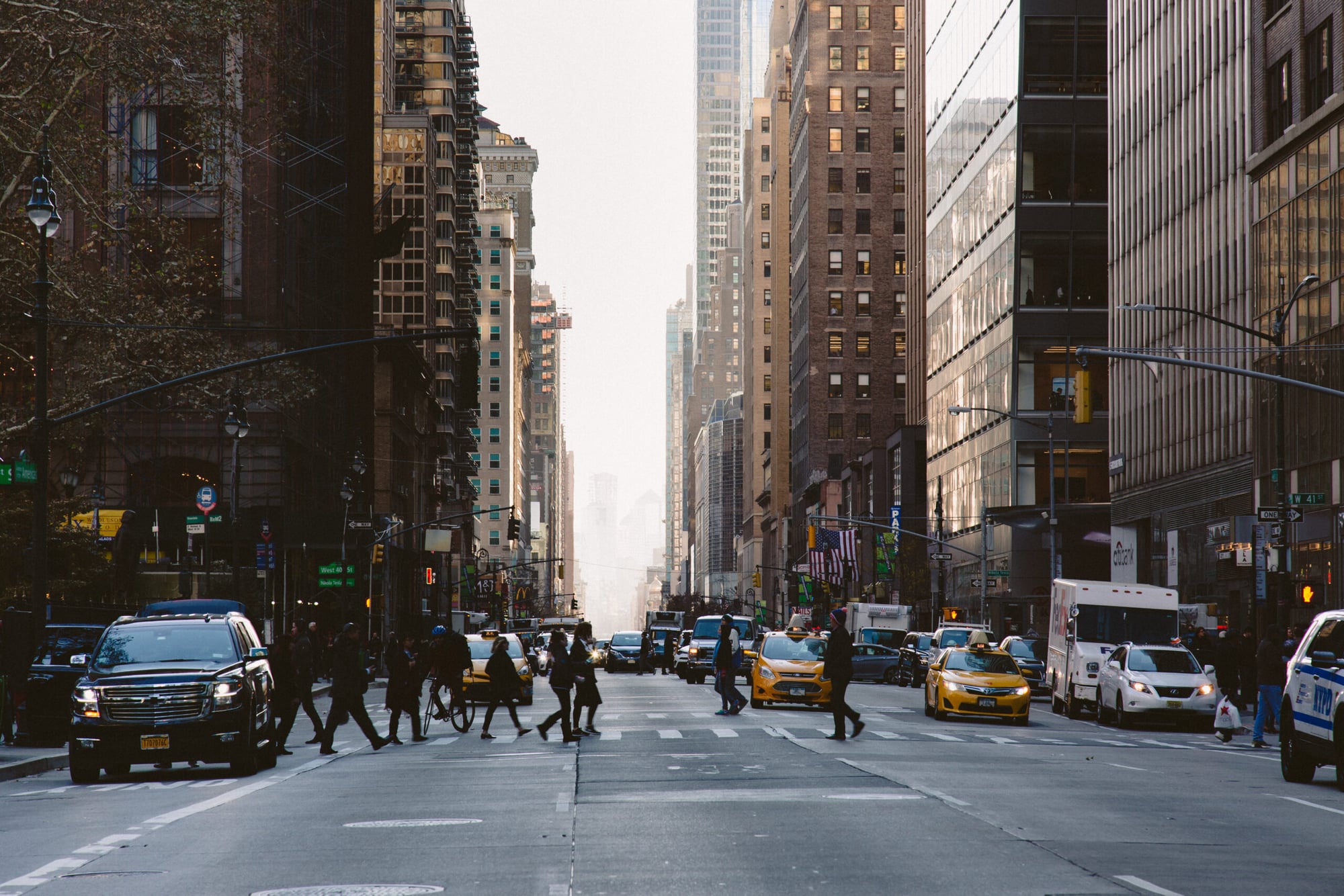
Madison Avenue has entered a new phase of scarcity. With vacancy rates hovering near historic lows, luxury retail in New York is no longer operating on
Madison Avenue has entered a new phase of scarcity. With vacancy rates hovering near historic lows, luxury retail in New York is no longer operating on a traditional expansion timeline. Access to territory has become a strategic asset, forcing international brands to rethink how and when they enter the U.S. market.
What is happening on Madison Avenue is not an isolated anomaly. The same pressure is visible across America’s most influential luxury corridors, including SoHo, Rodeo Drive, the Miami Design District,
Chicago’s Gold Coast and the country’s most desirable shopping centers like South Coast Plaza, Bal Harbour Shops and Highland Park Village.
Years of aggressive footprint growth combined with aspirational brands pursuing luxury adjacent positioning have compressed inventory across the country’s most desirable shopping environments.
“With such limited inventories, there is immense competition to secure the best positioned spaces, which can command extraordinarily high rents.
Even spaces that are not as well located, are of lesser physical quality, and with weaker co-tenancies are relatively expensive,” explains Josh Lewin , Vice President of Alvarez & Marsal Property Solutions . The result is a market where pricing no longer consistently reflects physical quality or location hierarchy…
Members-only article
Unlock the rest of this story
Join free to keep reading RetailBoss business coverage, industry analysis, and market intelligence.
Full article access
Industry analysis
Free account
Free access. No credit card required. Your account is created after you verify your email.