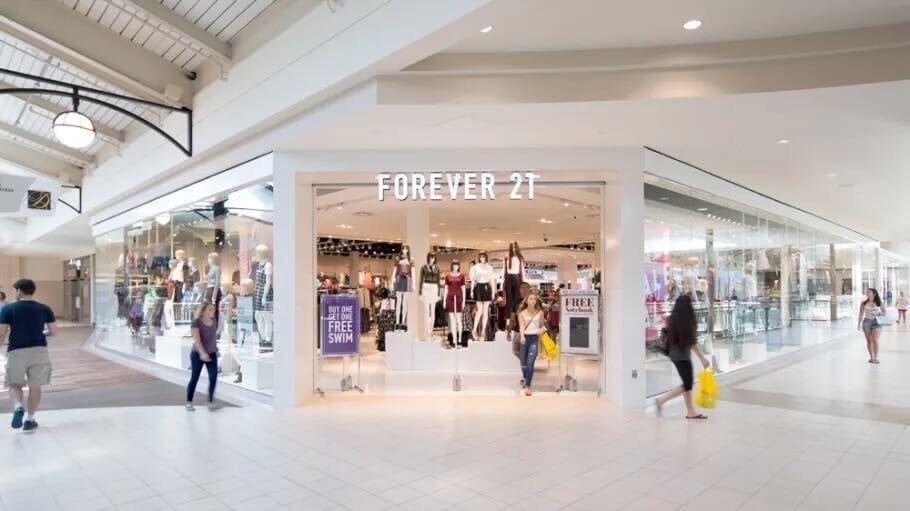
Forever 21, once at the top of the fast-fashion world, epitomized the meteoric rise and sudden decline of a brand struggling to adapt to a rapidly changing retail environment. Founded by Jin Sook and Do Won "Don" Chang in 1981, the small Los Angeles store grew into a global fashion empire.
However, by 2019, Forever 21 faced bankruptcy, marking a dramatic fall from grace. Here’s an in-depth look into the history that led to Forever 21’s downfall. Major Events Leading to Bankruptcy Several significant factors
contributed to Forever 21's bankruptcy: Shift to E-Commerce : As consumer preferences shifted toward online shopping, Forever 21 struggled to adapt. By 2019, e-commerce accounted for 16% of total retail sales , but Forever 21 lagged behind competitors like Zara and H&M, which had invested heavily in their online platforms.
Overproduction and Waste : The fast-fashion model led to overproduction, contributing to financial losses and significant environmental impact. The fashion industry is responsible for 10% of global carbon emissions , and Forever 21’s practices exacerbated this issue.
Rapid Expansion Missteps : Forever 21’s aggressive expansion strategy included opening large stores, some exceeding 100,000 square feet. This approach strained resources, especially as foot traffic declined. By 2019, the company operated over 800 stores worldwide , many of which were unprofitable.
Mounting Debt : The company’s debt ballooned to $500 million by 2019, driven by declining in-store sales and the costs of maintaining oversized retail spaces. Changing Consumer Tastes : Consumers increasingly prioritized sustainability and ethical practices. A 2019 McKinsey report found that 66% of…





Discussion
0 Comments
No comments yet.
Sign in to join the discussion.