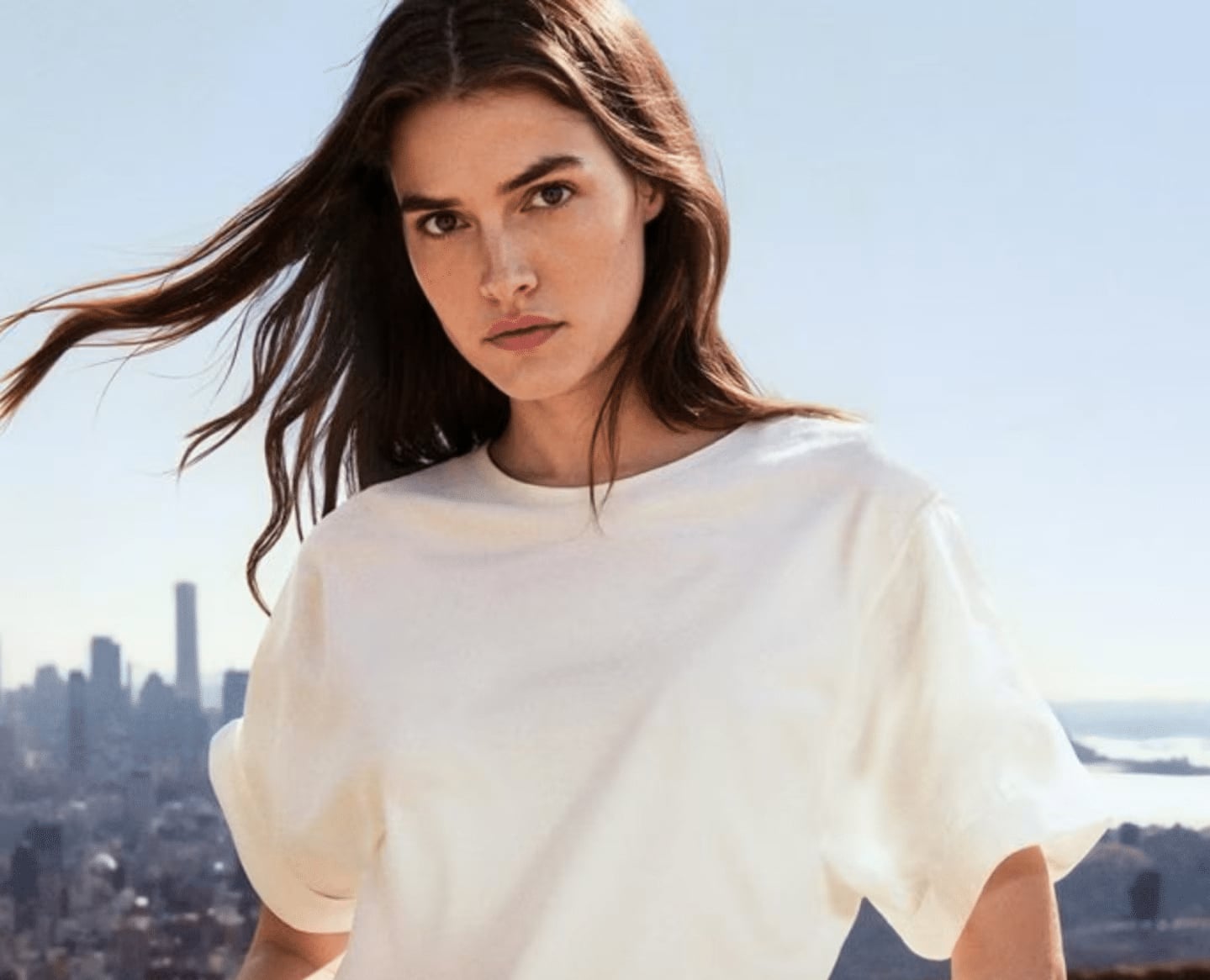
In March 2025 , global fast-fashion giant H&M announced a move set to fundamentally reshape how fashion content is created and consumed: the company will debut AI-generated digital “twins” of 30 real models , rolling out instantly recognizable avatars across ads and social media campaigns this year.
These digital clones, meticulously crafted from comprehensive image scans and built with the models’ explicit consent, promise to offer a new dimension of creativity and efficiency in digital marketing, according to
H&M’s chief creative officer Jörgen Andersson . How H&M’s Digital Model Clones Work Creation Process: The project uses AI and machine learning to produce hyper-realistic digital avatars by analyzing hundreds of photos and videos of each model in varied lights, angles, and poses.
These twins are so lifelike that even models like Vilma Sjoberg have admitted, “It’s a picture of me, but it’s not me,” she said .
“It was interesting how good it actually was.” Deployment: The avatars will appear first in H&M’s online and social content— Instagram, TikTok, YouTube —clearly watermarked and openly disclosed as AI-generated.
They can be instantly photographed in infinite poses, lighting, and looks, enabling entire campaigns to be delivered in hours, not weeks. Consent & Control: Models retain full control over their digital likenesses—offering rights not just for H&M but also to license their digital twins for use by other brands, even competitors…