President-elect Donald Trump's proposed tariffs could raise consumer prices significantly. A 10-20% universal tariff on imports and a 60-100% tariff on Chinese imports could diminish American consumers' spending power by $46 billion to $78 billion annually.
The National Retail Federation (NRF) warns these tariffs will increase costs for apparel, toys, furniture, household appliances, footwear, and travel goods, with price hikes hitting low-income families particularly hard. Increases in costs for essential goods,
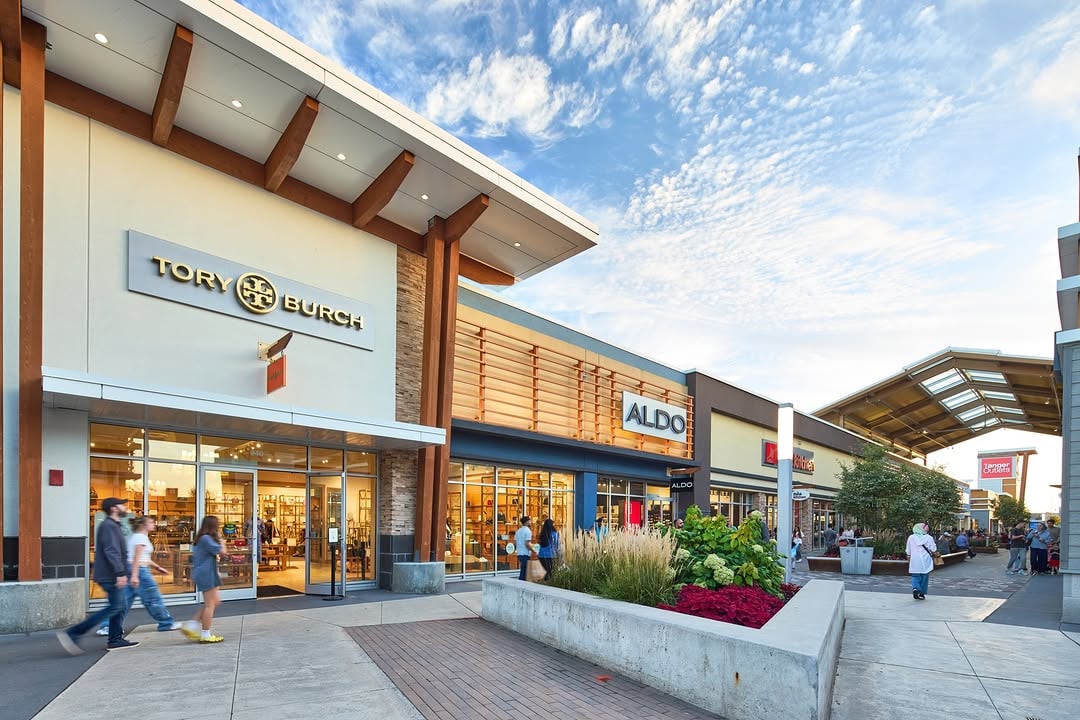
such as a 25% increase in tariffs on steel and aluminum, are likely passed to consumers. In a recent interview on Bloomberg Open Interest, Stephen Yalof, CEO of Tanger, shared insights on how potential tariffs could impact the retail sector.
With the NRF issuing a stark warning, the conversation highlighted the challenges and strategies retailers might adopt in response to these economic pressures. Key Takeaways Consumer Behavior : Shoppers are increasingly seeking value, especially in the face of rising tariffs.
Retail Strategies : Retailers will likely shift excess inventory to outlet channels to maintain sales. Market Resilience : Despite economic challenges, certain brands continue to perform well. Experiential Shopping : Retailers are enhancing customer experiences to attract shoppers.
The potential implementation of tariffs raises significant concerns for retailers, particularly regarding pricing strategies and consumer behavior. If tariffs are passed on to consumers, shoppers will likely gravitate towards locations that offer the best value for their money…




Discussion
0 Comments
No comments yet.
Sign in to join the discussion.