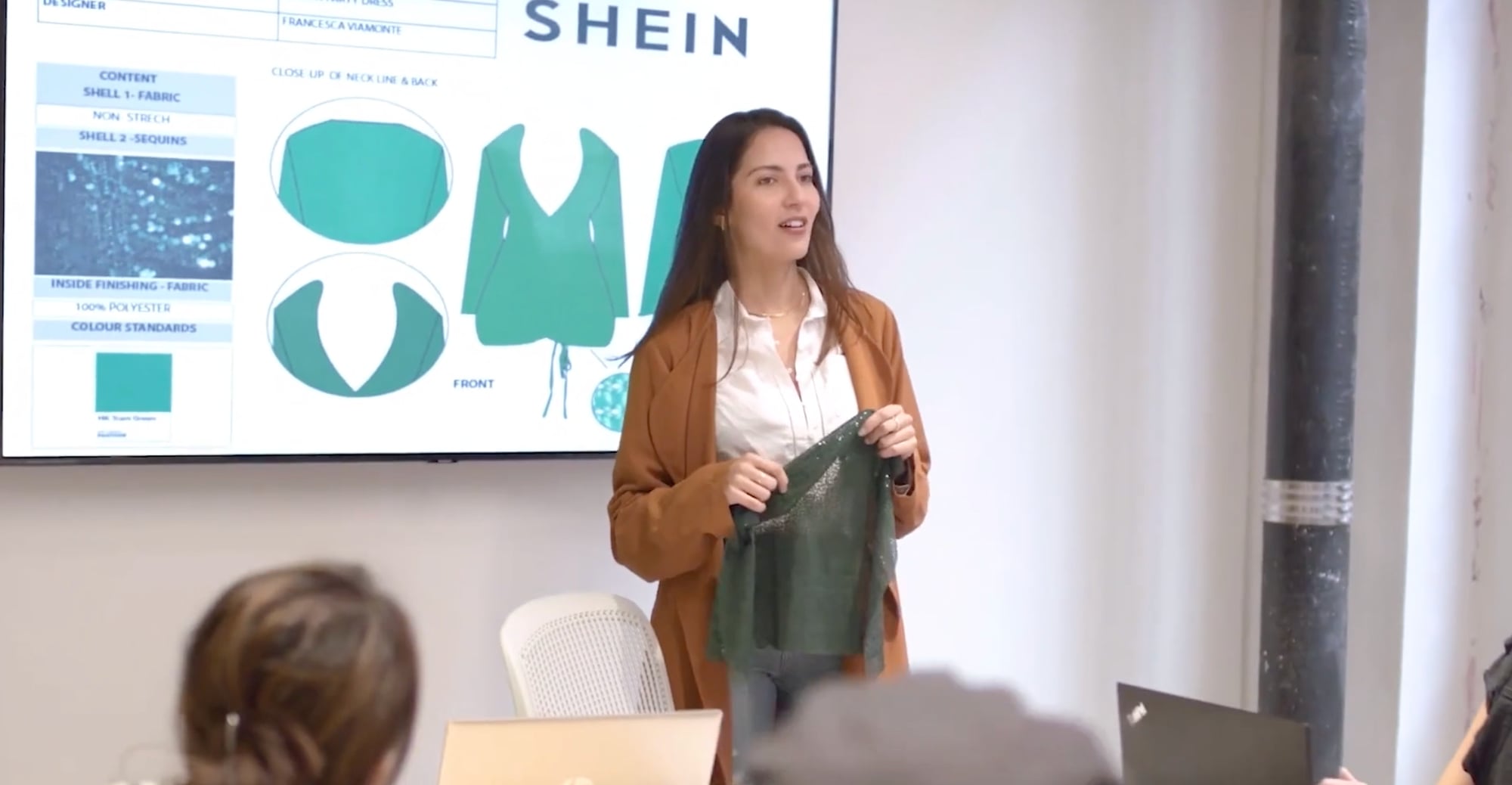
Shein has transformed the fashion industry with its innovative on-demand business model. This approach not only meets the fast-paced demands of consumers but also focuses on minimizing waste and maximizing efficiency.
In this article, we will explore how Shein's unique strategies have changed the landscape of fast fashion and what this means for the future of the fast fashion retailer. "Since we founded SHEIN, our focus has been on meeting the needs of customers. We’ve reimagined fashion from a supply-driven
model to a demand-driven model to make the beauty of fashion more accessible to all. At the same time, we are focused on continuing to support and empower the designers, creators, suppliers, and partners who are fundamental to our success.” said, Sky Xu, Co-Founder and CEO of SHEIN.
Key Takeaways Unlike traditional methods, Shein's on-demand model allows for quick responses to fashion trends. Shein tests new products by launching them in small initial batches of 100 to 200 items, evaluating customer feedback in real-time, and restocking products that are in demand.
Technology is crucial to Shein's success, using real-time inventory data and demand tracking to predict product demand and supply. Shein's marketing strategies effectively target Gen Z, leveraging social media and influencer partnerships.
The future of fast fashion may evolve as Shein adapts to changing consumer preferences and sustainability concerns. The Shein On-Demand Business Model Shein has changed the way fashion works with its on-demand business model . This model differs from the traditional clothes-making because it focuses on what customers want…


Discussion
0 Comments
No comments yet.
Sign in to join the discussion.