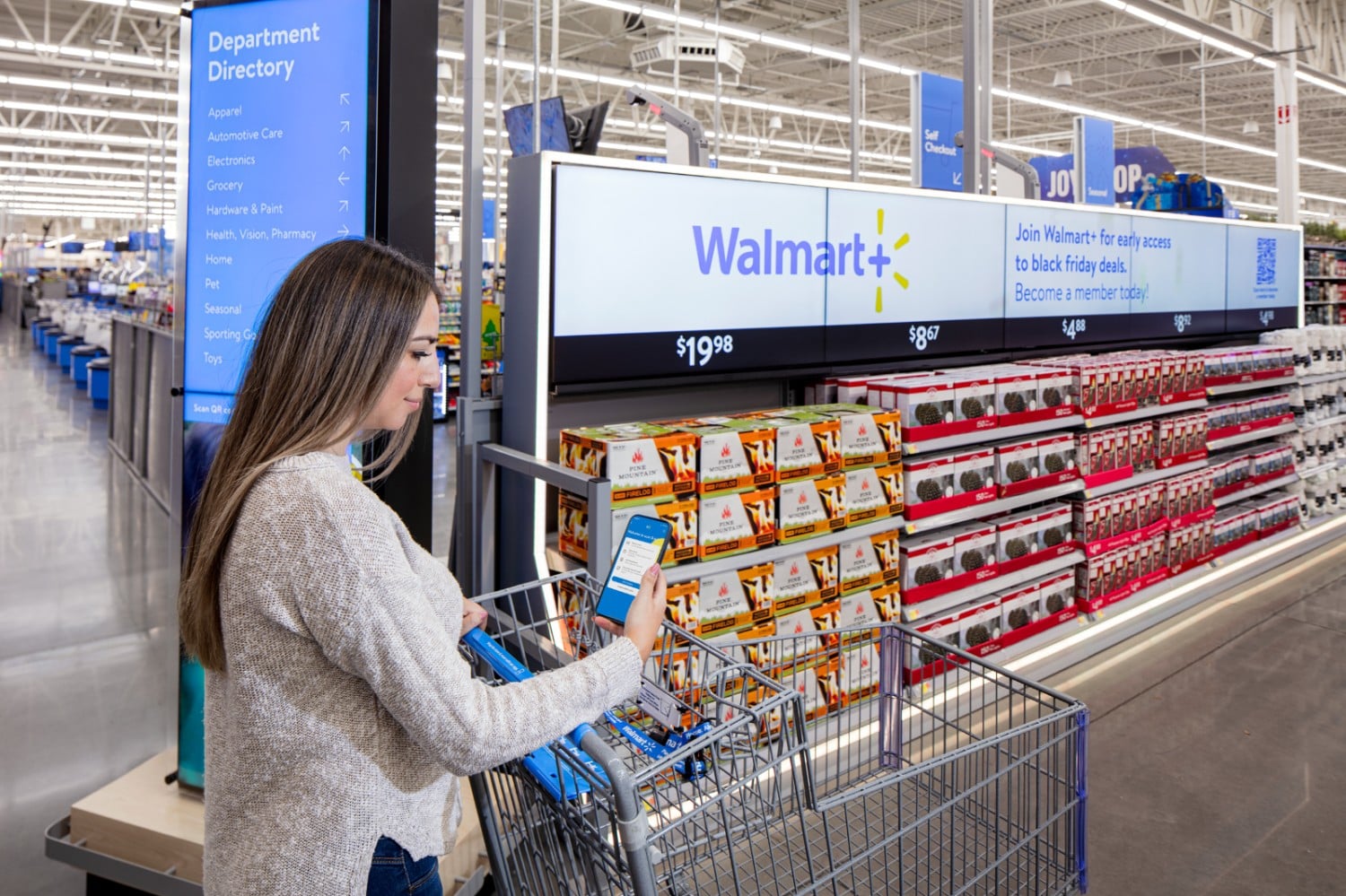
Big-box retailers or stores, such as Walmart and Target, offer competitive prices and a vast selection under one roof, while warehouse clubs like Costco and Sam’s Club focus on bulk buying and membership deals.
These large retail establishments, often part of sizable chains, are designed for high-volume sales and are typically located in accessible areas with ample parking. Big-box retailers have become a staple in suburbs and cities within the U.S. Walmart, the largest global and U.S. retailer, boasted $648
billion in global revenue in FY2024 and holds an 8.59% U.S. market share, operating 5,214 stores domestically. Target reported $107.59 billion in U.S. retail sales for 2022, while Costco garnered $164.15 billion.
But what exactly defines a big-box retailer, what are the different types, and how do they fit into the retail ecosystem? Let's dive into the details. What is a Big-Box Retailer?
A big-box retailer is a large retail establishment, usually part of a chain, that occupies a sizeable physical space and offers a wide array of products. These stores are designed for high-volume sales and are typically located in suburban or semi-rural areas to accommodate the need for vast parking lots and easy accessibility.
The term "big-box" refers to the store's physical appearance, which often resembles a large, plain, box-like building. Despite the simplicity in design, these retailers are marketing powerhouses, known for their ability to drive significant revenue through competitive pricing, vast product selection, and efficient operations…




Discussion
0 Comments
No comments yet.
Sign in to join the discussion.