The Y2K aesthetic, characterized by its bold, maximalist, and logo-heavy style, rose rapidly and declined just as quickly between the late 1990s and the early 2010s.
The primary reasons for its initial collapse were brand dilution through overexposure, a cultural shift towards minimalism following the 2008 Great Recession, and an inability to adapt to the rise of fast fashion.
by Gen Z's embrace of the 20-year fashion cycle, digital-native nostalgia, and a desire for ironic, expressive fashion. The modern comeback is not a mere replica of the past but a strategic remix, with brands expanding into lifestyle categories and leveraging social media to maintain relevance.
The Sudden Decline: Identifying the Issues The Y2K fashion era, often referred to as "McBling," peaked around 2003-2006, fueled by celebrity endorsements and a post-millennial sense of optimism.
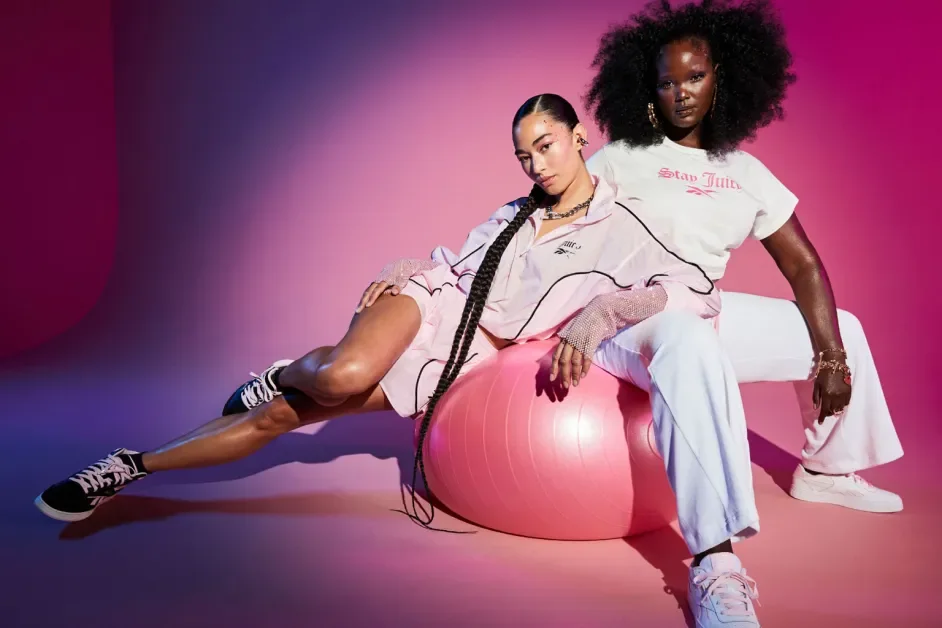
The style was defined by conspicuous consumption, with brands like Juicy Couture (velour tracksuits), Von Dutch (trucker hats), and Ed Hardy (tattoo-inspired apparel) becoming instant status symbols.
The decline was not gradual but a sharp, almost immediate collapse, primarily due to a confluence of internal brand mismanagement and external economic and cultural forces…