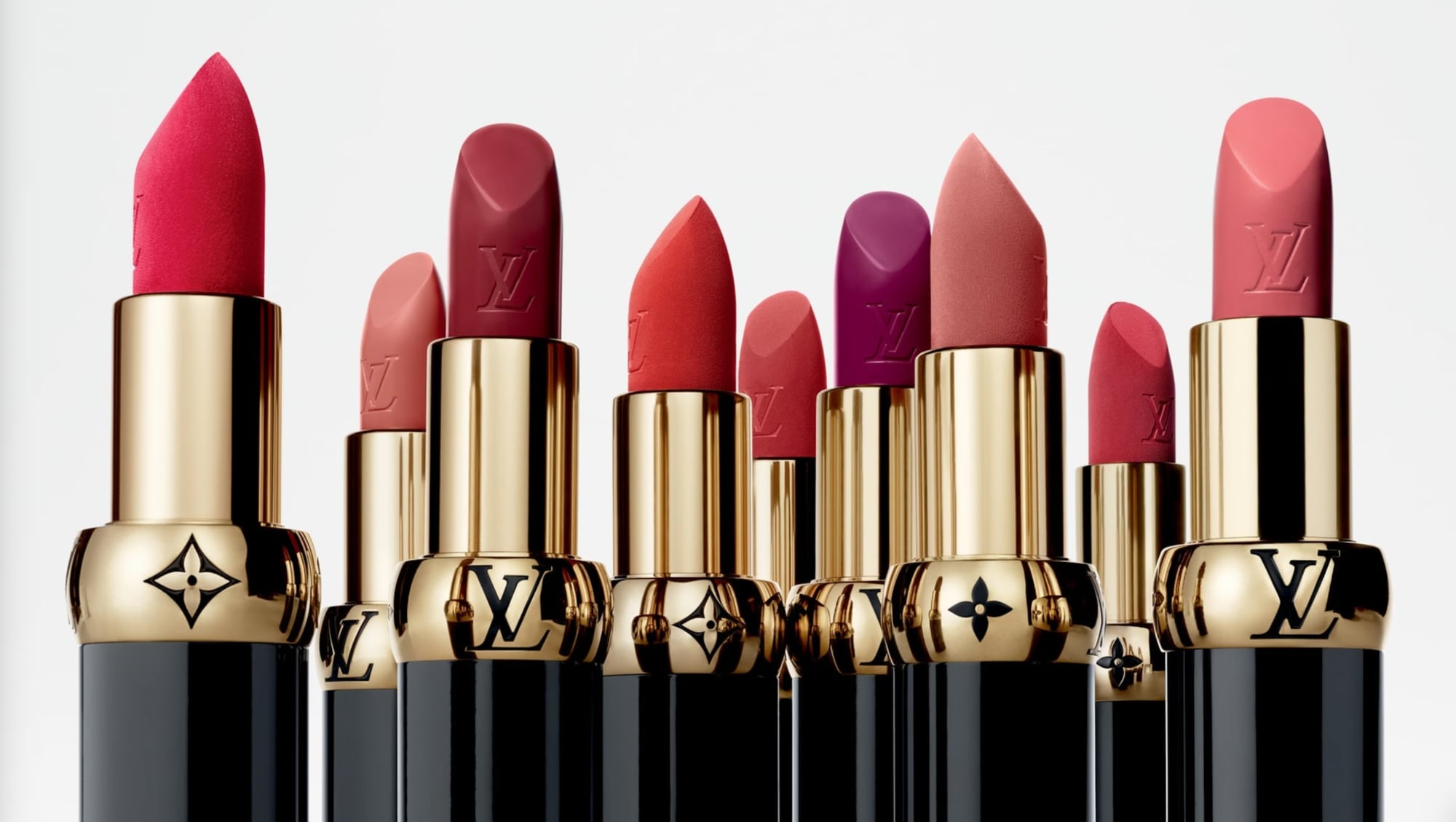
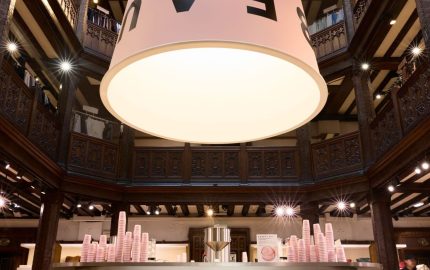
Louis Vuitton’s new $160 lipstick may raise eyebrows in the middle of a recession, but the logic behind the launch is shrewdly mathematical—and deeply psychological. When an iconic handbag goes for $2,000, a triple-digit lipstick suddenly feels like an affordable splurge.
Luxury brands aren’t just selling high-priced beauty products—they’re selling brand access at “recession-friendly” price points, keeping aspirational customers engaged even when budgets are tight. The Gateway Product Strategy Luxury shoppers
crave connection to their favorite brands, even if economic strains make big-ticket purchases impossible. By offering lower-cost products—lipsticks, perfumes, branded caps—brands like Louis Vuitton retain their customer base, rather than losing them to less exclusive competitors.
The data is clear: beauty spending remains resilient, with over 70% of consumers reporting no plans to cut back, despite the squeeze of inflation. For many, a luxury lipstick becomes the bridge; it preserves that sense of aspiration and identity without risking financial overextension.
Beyond the Beauty Aisle This “entry-point economics” goes well beyond cosmetics. Canada Goose 's $800 parkas, now reports that 46% of fiscal 2024 sales came from non-heavyweight down products like shirts and shorts—more accessible interpretations of its luxury DNA.
It’s a playbook of strategic diversification: offer more approachable products to onboard new customers and keep loyal ones in the fold. Why It Works The insight is simple: people desire brand affiliation more than any specific product…