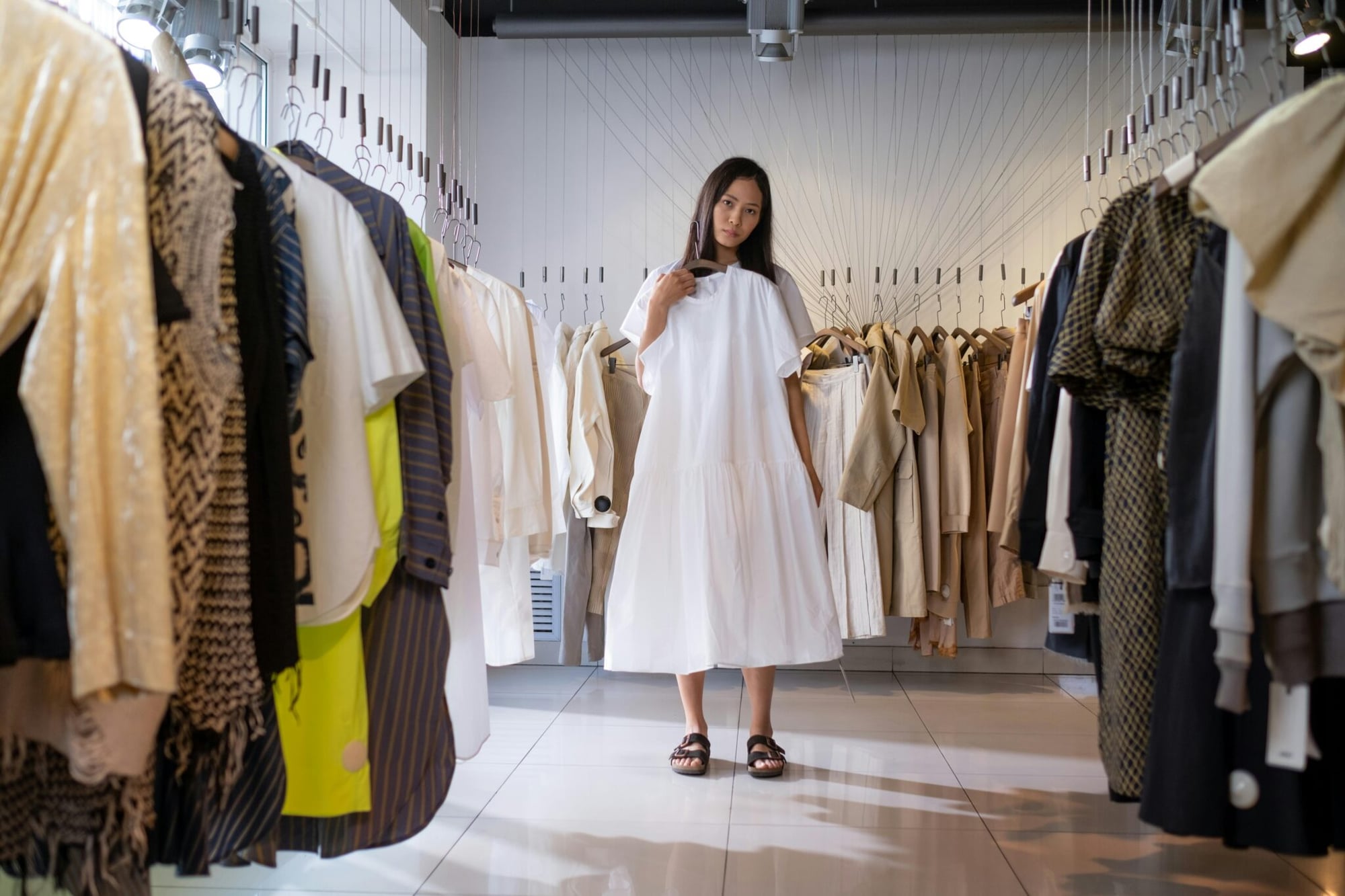
When we think of boutiques, images of quaint, stylish shops filled with unique and fashionable items often come to mind. But what exactly is a boutique, and what industry does it belong to?
Let's delve into the boutique business to understand their classification and the nuances that set them apart from other retail establishments. Defining a Boutique A small retail shop specializing in high-end fashionable clothing or accessories is a boutique. The term "boutique" originates from the French word for "shop,"
which itself is derived from the Ancient Greek word "apothēkē," meaning "storehouse." This etymology hints at the boutique's role as a specialized storehouse of carefully curated items. Boutiques are distinct from larger retail stores due to their limited size, scope, and inventory.
They often focus on a specific type of clothing or niche market, such as formalwear, casualwear, beachwear, novelty socks, prom dresses, or graphic t-shirts. This specialization allows boutiques to offer a unique and personalized shopping experience, catering to a specific segment of consumers.
Industry Classification Boutiques fall under the broader category of the retail trade sector.
According to the North American Industry Classification System (NAICS), the relevant code for clothing boutiques is 448190, which covers "Other Clothing Stores." This subsector is part of the retail trade sector, which includes establishments engaged in retailing merchandise without significant transformation and providing services incidental to the sale of merchandise…