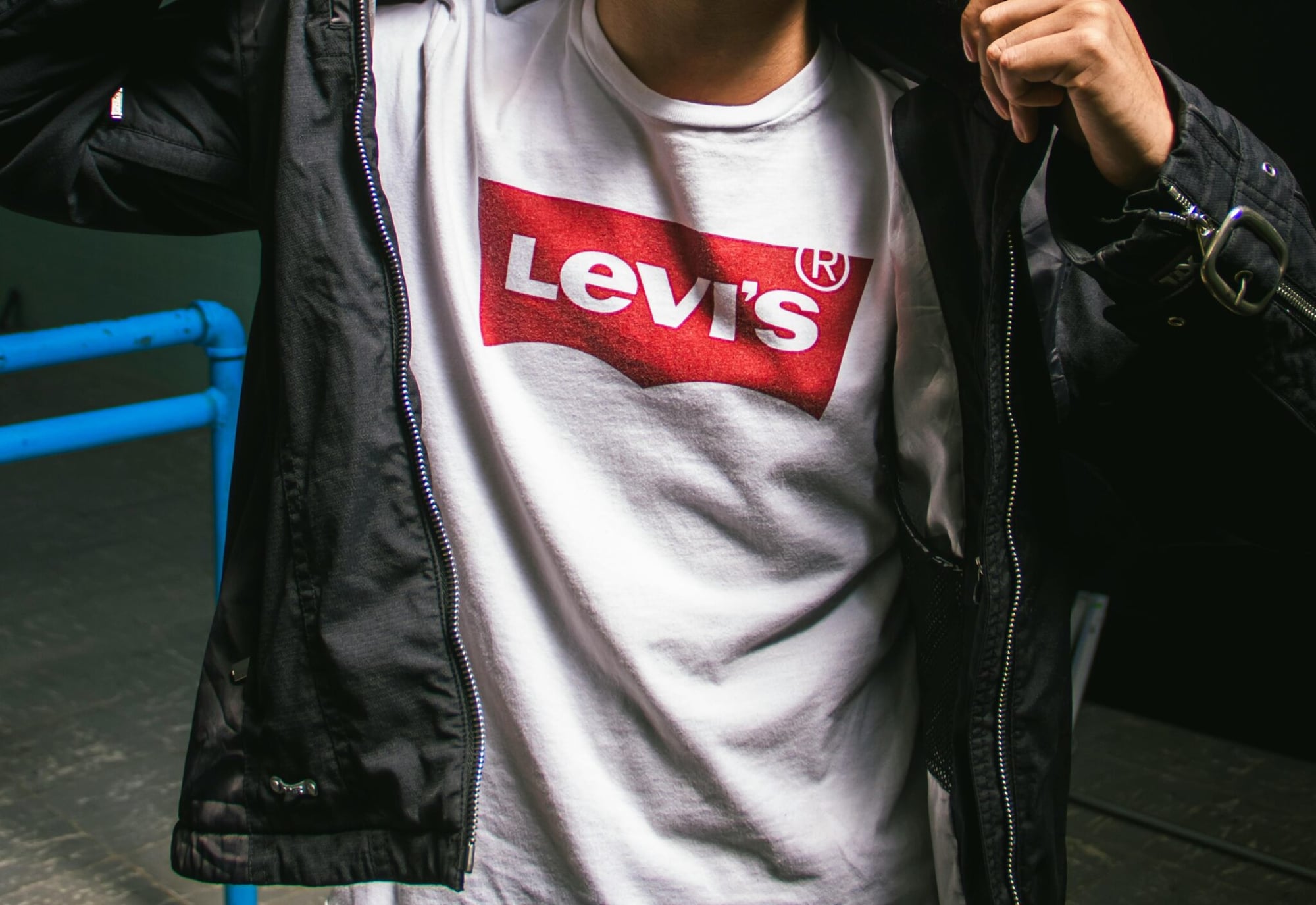
National Brands and Private Labels have long populated the retail landscape, each with unique appeals and competitive edges. National brands, such as Coca-Cola, Pepsi, Levi's, and Wrangler , are prominently recognized for their nationwide distribution and robust marketing strategies.
Large manufacturers typically own, design, produce, and market these brands. On the other hand, private labels—also known as store brands or private brands—are products manufactured solely for a specific retailer. They are often
perceived as cost-effective alternatives to their national counterparts. Notable examples include Walmart's Great Value, Target's Mainstays, and Costco's Kirkland Signatur e.
According to Statista report , private brands account for 36% of the market share in some regions, achieving a value share of over 52% in Switzerland and more than 44% in other areas.
Furthermore, recent trends highlight a growing preference for private labels, as their market share in the grocery industry rose to a record 20.7% in 2023. Let's dive into the distinctions between national and private labels, exploring the factors contributing to their market presence and impact on consumer choice.
What is a National Brand? A national brand refers to a product produced, marketed, and distributed under a brand name recognized nationwide. Major producers or manufacturers own these brands and have a large presence across multiple retail outlets and markets…





Discussion
0 Comments
No comments yet.
Sign in to join the discussion.