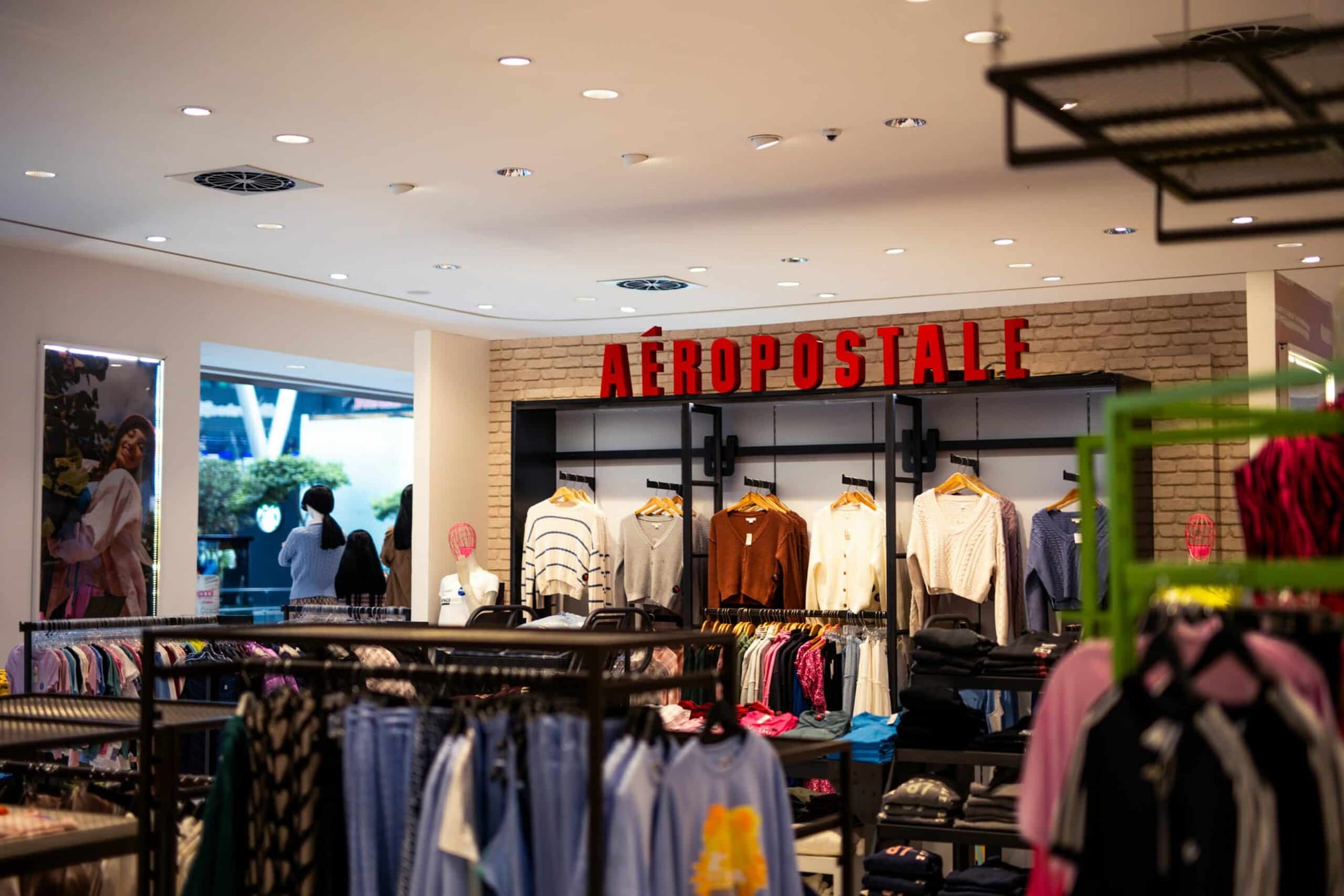
While many people instinctively associate the word “retail” with clothing stores, the reality is that retail encompasses a far broader spectrum of products and services.
Gaining a clear understanding of what retail truly involves is crucial—not only for consumers seeking to make informed choices, but also for entrepreneurs aiming to thrive in this dynamic industry. What Is Retail?
involves selling to businesses or institutions. Retailers act as the final link in the supply chain, bridging the gap between manufacturers or wholesalers and end users. This activity can take place in physical stores, online platforms, or through other channels.
Retail: More Than Just Clothing While clothing is a prominent category in retail, it is only one part of a much broader industry.
Retail includes a vast array of products and services, such as: Electronics and appliances Furniture and home goods Beauty and cosmetics Food and groceries Books, art, and musical instruments Sporting goods and outdoor equipment Jewelry and luxury items Automotive products Services like banking, insurance, and travel Types of Retail Stores Retail formats are diverse and include: Department stores (clothing, home goods, electronics, cosmetics) Grocery stores and supermarkets (food, beverages, household items) Discount and outlet stores (varied merchandise, often at lower prices) Warehouse clubs (bulk goods, often including electronics and furniture) Convenience stores (snacks, beverages, basic necessities) E-commerce retailers (selling everything from clothing to digital products) Specialty…