The United States has become the primary growth engine for the South Korean beauty industry, with the market reaching $2 billion in sales mid-2025 , representing a 37% year-over-year increase. This "Second Wave" of K-beauty is characterized by a shift from niche online availability to mainstream retail dominance.
Major American retailers, including Sephora , Ulta Beauty, Target , and Costco , are currently engaged in a "turf war" to secure exclusive partnerships with viral Korean brands . This report details the
top 10 most significant expansions, highlighting the strategic moves of both established conglomerates and agile, social-media-born startups. Market Overview and Key Drivers The current K-beauty boom is fueled by a convergence of digital trends and consumer demand for high-efficacy, affordable skincare.
The "glass skin" aesthetic, popularized on platforms like TikTok, has turned once-obscure ingredients such as snail mucin, heartleaf, and rice water into household names.
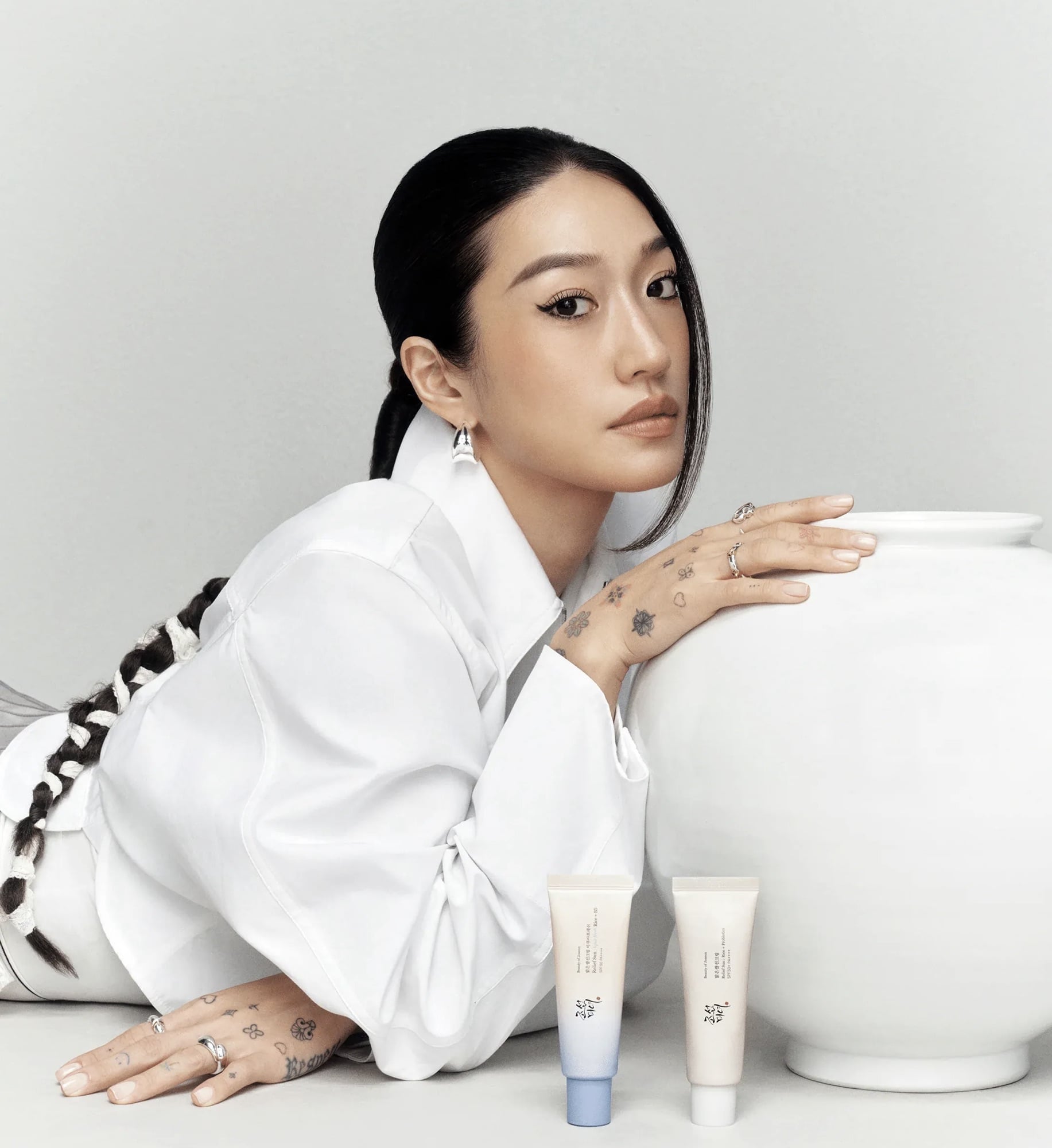
Key Driver Description TikTok Virality Trends like "glass skin" and "sunscreen layering" have propelled brands like Beauty of Joseon and Anua to the top of sales charts. Affordability K-beauty offers prestige-level formulations at mass-market price points, appealing to Gen Z and Millennial consumers.
Retail Accessibility The transition from Amazon-only availability to physical shelves in Ulta and Sephora has legitimized the category for the broader US public. Innovation The integration of beauty technology (devices) and traditional "Hanbang" (herbal medicine) ingredients provides a unique value proposition…