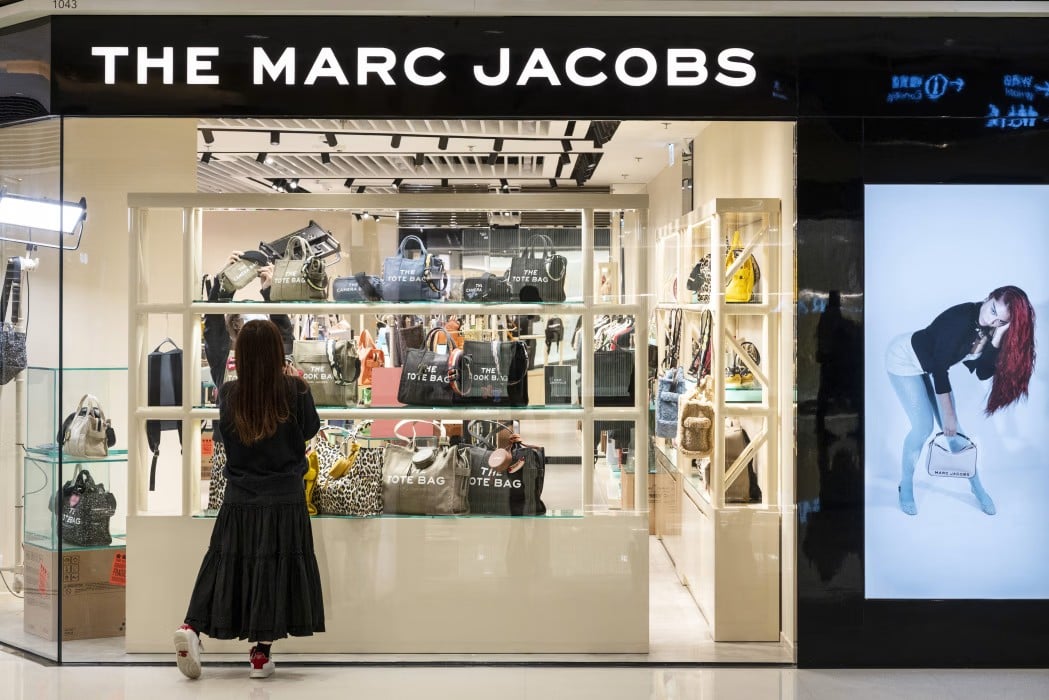
When LVMH took a majority stake in Marc Jacobs in 1997, it was buying into American cool at its peak , a designer simultaneously reinventing Louis Vuitton's image and building his own irreverent, downtown-New York label. Nearly three decades later, that relationship is ending.
LVMH has agreed to sell Marc Jacobs to WHP Global, a brand management firm, with G-III Apparel Group joining as an operational partner. The deal is expected to close before year-end. The question worth asking is not why now , but why it
took this long. A Brand That Never Quite Fitted the Conglomerate Model Marc Jacobs has always been a cultural brand more than a luxury one. It thrived on provocation and pop references, not heritage.
That made it a perennial misfit inside a house built on Vuitton, Dior, and Celine , maisons rooted in savoir-faire and generational aspiration. LVMH invested heavily in scaling it: retail expansion, fragrance licensing, accessories development.
But the brand straddles accessible fashion and high fashion in a way that consistently challenged margin discipline. LVMH's recent moves tell a cleaner story about portfolio direction. It sold its stake in Stella McCartney back to her in early 2025. It exited Off-White in late 2024, selling to Bluestar Alliance.
Marc Jacobs is the latest lifestyle-adjacent brand to leave in quick succession. What remains is a portfolio anchored firmly in European hard luxury…