In the world of retail, luxury brands have always held a unique position, often characterized by high quality, exclusivity, and hefty price tags, these brands are simply not meant for the frugal shoppers.
They thrive on their image of scarcity and exclusivity, offering products and services that are often seen as symbols of status and success. However, in recent times, these brands have been eyeing a new type of consumer - the aspirational shopper. Aspirational shoppers, often referred to as HENRYs (High Earners
Not Rich Yet), are consumers who strive for more in life. They are career-oriented, opportunistic, and constantly on the lookout for brands that can help them become more successful. These consumers typically have a household annual income of more than $100K, they have yet to amass investable assets of $1M.
They are affluent, but not yet rich, and they are willing to stretch their budgets to acquire luxury items. However, attracting this demographic is not without its challenges. Luxury brands have traditionally shied away from offering discounts, fearing that it could dilute their image of exclusivity and rarity.
Brands like Apple, Chanel, Hermès, and Louis Vuitton rarely offer sales or discounts. Their strategy is to maintain their prestigious image by associating their products with high prices. This approach has proven successful for many luxury brands.
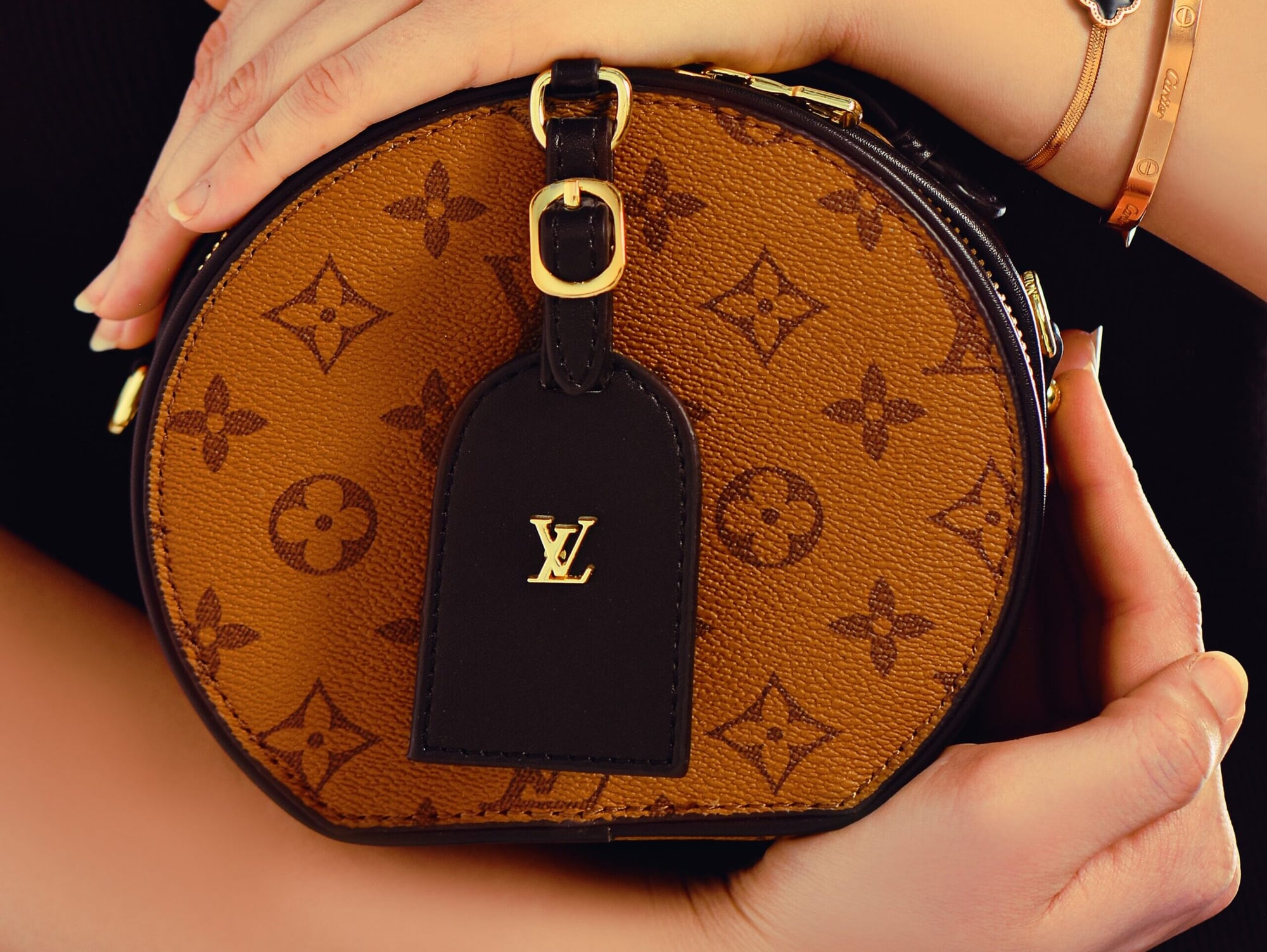
For instance, French luxury conglomerate LVMH , which owns brands like Louis Vuitton, Christian Dior, and Tiffany, saw an increase in aspirational spending from U.S. shoppers earning below $100,000 during the pandemic. These middle-income shoppers indulged in luxurious handbags and perfumes, contributing to LVMH’s profits…






Discussion
0 Comments
No comments yet.
Sign in to join the discussion.