Luxury retail is a distinct segment within the broader retail industry, specializing in high-end goods that are often characterized by their high quality, high prices, and a significant degree of exclusivity.
Unlike regular retailing, luxury retail is not just about the products themselves but also about the shopping experience, which includes store design, merchandising, display, and personalized customer service. The market for luxury goods is substantial and growing. In 2021, the global luxury goods market was
valued at USD 230.05 billion and is expected to expand to USD 369.8 billion by 2030, progressing at a compound annual growth rate (CAGR) of 5.4%. This growth is reflected in the United States, where sales were forecasted to exceed $75 billion by the end of 2023.
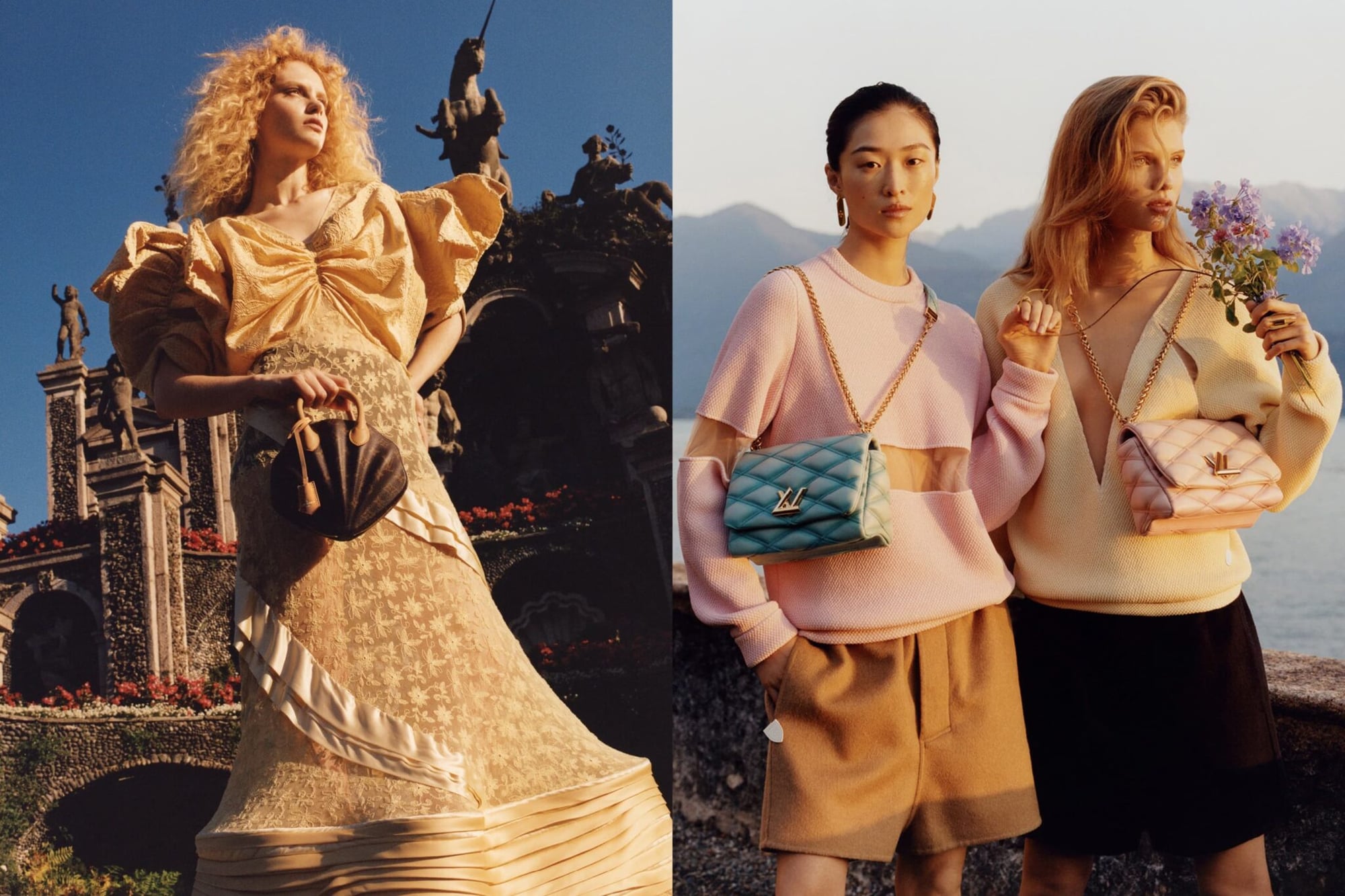
The luxury goods market includes various sectors such as fashion, watches and jewelry, well-being, beauty products, automotive, travel, home and interior design, and alcoholic beverages. Leading brands in the luxury fashion sector include Dior, Gucci, Chanel, and Louis Vuitton, which are recognized for their fashion offering.
The definition of luxury has evolved over time; it used to signify the highest quality products and status, but now it encompasses a more emotive and intimate customer experience. Luxury marketing strategies aim to create a brand value that crafts a lifestyle goal rather than just selling a product.
Luxury Retail Definition Luxury retail can be defined as the sale of high-end products and services that are associated with superior quality, craftsmanship, and exclusivity. These products often come with a hefty price tag, reflecting their exceptional value and desirability. Luxury retail brands are…




Discussion
0 Comments
No comments yet.
Sign in to join the discussion.