As a business owner, setting the right price for your products is crucial for the success and profitability of your retail business. Finding the balance between affordability for customers and profitability for your business can be a challenge.
In this comprehensive guide, we will explore the concept of retail pricing, the various strategies you can employ, and how to calculate the retail price for your products. Understanding Retail Pricing Retail pricing refers to the final cost at which a product is sold to
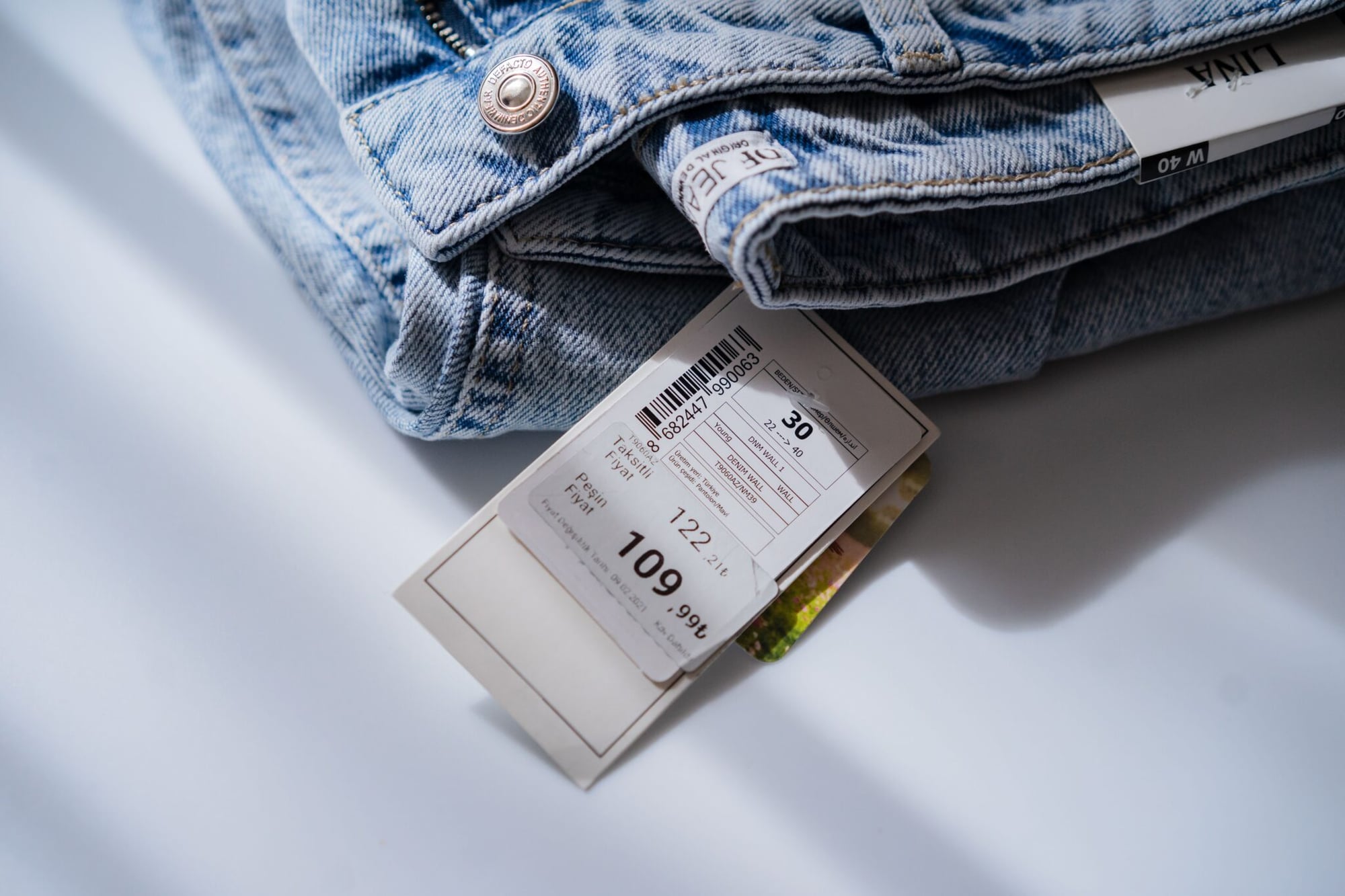
the end consumer. Customers pay the price for the finished product when they purchase it from a retail store. The retail price takes into account various factors such as production costs, supply and demand, market trends, competition, and customer psychology.
The retail price is different from the manufacturer price and the wholesale price in the retail supply chain. The manufacturer price is the cost at which the product is sold by the manufacturer to the retailer. The wholesale price is the price at which the retailer buys the product in bulk from the manufacturer or wholesaler.
The retail price is usually higher than the wholesale price to cover the retailer's markup and profit margin. Factors Influencing Retail Pricing When determining the retail price for your products, there are several internal and external factors that you need to consider.
Internal factors are aspects of your business that you have control over, such as manufacturing costs, value chain processes, labor costs, shipping prices, overhead costs, and marketing expenses. These factors help you establish your baseline and determine the minimum amount of money you need to make in retail sales to remain…





Discussion
0 Comments
No comments yet.
Sign in to join the discussion.