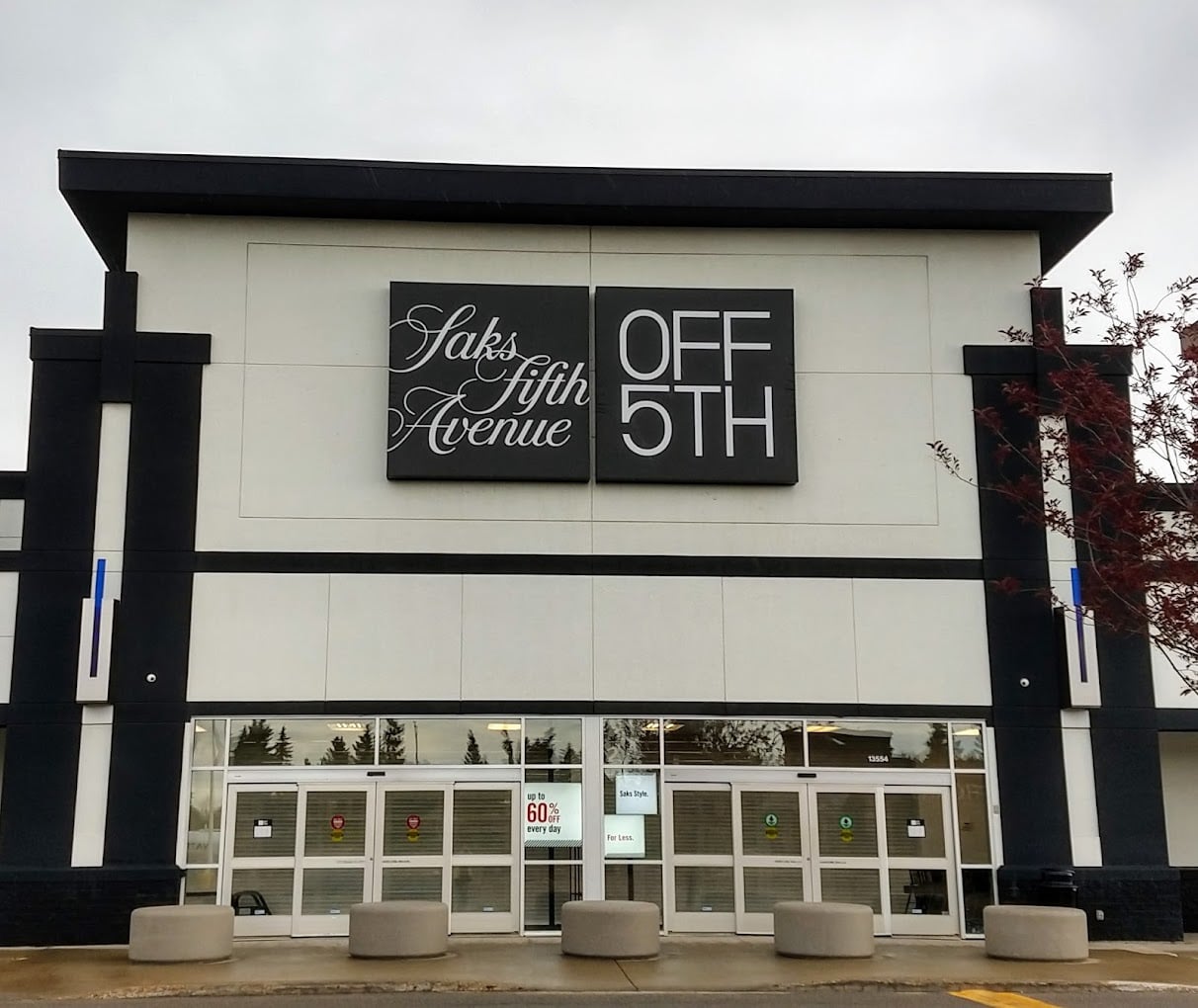
Luxury brands' outlet stores have become increasingly popular, allowing consumers to purchase high-end products at discounted prices. These stores are typically owned and operated by luxury brands, selling items from previous seasons or excess inventory.
The concept of luxury outlet stores originated in the United States in the 1930s, when designer brands started opening factory outlets to sell their products directly to consumers. Over time, these outlets evolved into standalone stores that offer a wide range of
luxury goods at reduced prices. The growth and popularity of luxury outlet stores The growth of luxury outlet stores has been remarkable in recent years. According to a report by Bain & Company, the number of luxury outlet stores worldwide increased by 50% between 2012 and 2018. This growth can be attributed to several factors.
Firstly, consumers increasingly seek value for their money, and luxury outlet stores provide an opportunity to purchase high-quality products at lower prices. Secondly, the rise of e-commerce has made it easier for consumers to access luxury brands' outlet stores, as many brands now offer online shopping options.
Lastly, the perception of luxury outlet stores has shifted from being associated with low-quality or counterfeit products to being seen as legitimate channels for purchasing discounted luxury goods.
The economics of luxury brands' outlet stores: an overview From an economic perspective, luxury brands' outlet stores offer several advantages for brands and consumers. For luxury brands, operating outlet stores allows them to generate revenue from excess inventory that would otherwise go unsold…



Discussion
0 Comments
No comments yet.
Sign in to join the discussion.