Mass brands are behaving more like luxury houses, and that is not a coincidence.
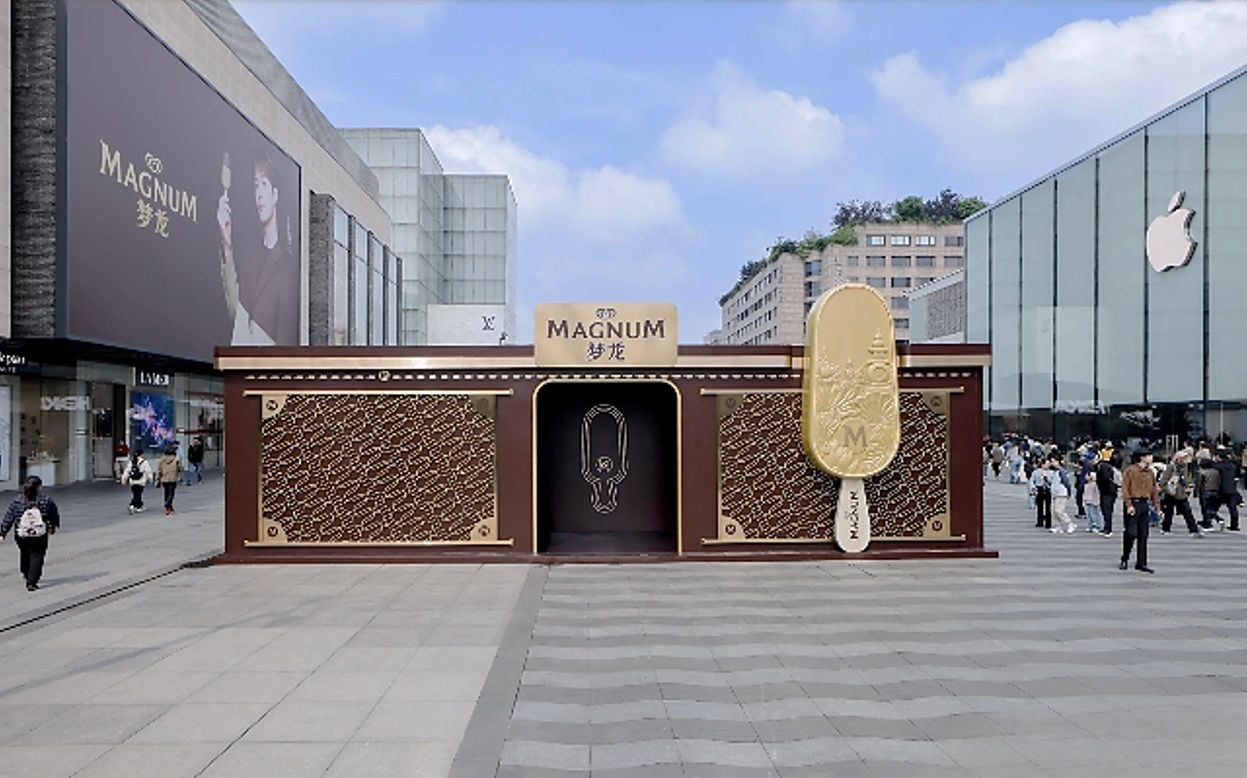
When Magnum stages premium ice cream and smoothie activations in places like Hangzhou while consumers are openly “tightening their belts,” it reveals two powerful shifts at once: the banalisation of luxury and the enduring pull of small, affordable indulgences as a psychological safety valve in uncertain times.
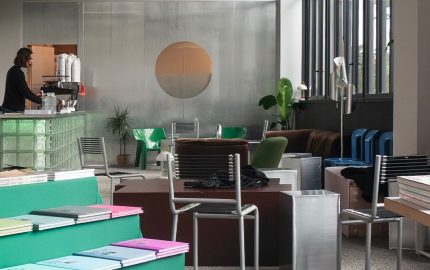
like Magnum start using the visual and experiential “codes” of luxury elevated design, curated pop ups, mood driven storytelling, aspirational pricing it means the line between mass and luxury has blurred. Luxury has become so familiar and widespread that it now risks feeling ordinary.
For a brand built on “everyday pleasure” , leaning into luxury aesthetics is a way to signal elevation without leaving the mass market altogether. Think: limited time installations, art direction that resembles fashion campaigns, and “mood food” language that borrows from high end fragrance or skincare.
When a consumer can buy a Magnum that looks and is presented like a jewel, the brand is offering a slice of the luxury experience at supermarket scale.
Why this matters for true luxury players The text then links this to a broader strategic move: if mass brands can convincingly mimic luxury codes, true luxury houses need to change dimension , not just tweak their image. That is where the reference to Bernard Arnault comes in…